

LPS Corals
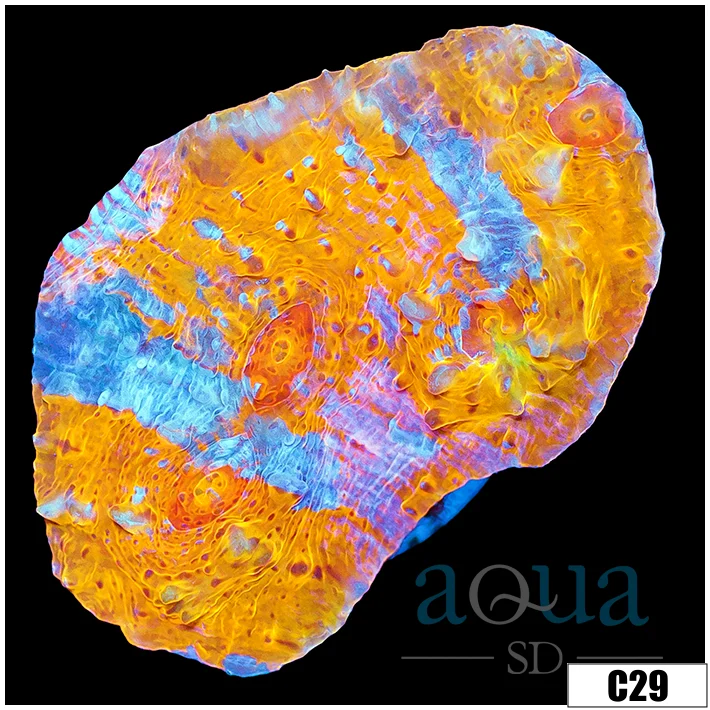
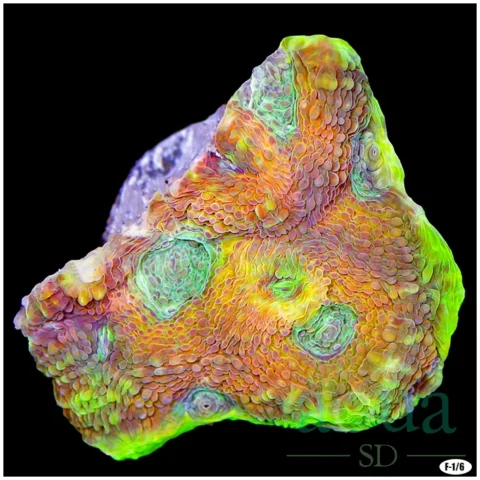
Safari Chalice
Price range: $74.99 through $99.99With code SPOOKY70: $30.00
Tag: C29
Live animal: Overnight delivery, Tuesday–Friday (Saturday $25 extra, arranged by phone or email). Covered by our Live Arrival Guarantee.We ship daily. Prices and availability may change. Images are for illustration only and may vary from the actual product. Stock is subject to change.
- Packed to order with heat or cold packs for the season
- Eating and settled in our systems before it ships
- Questions? Ask a reef keeper
Share
About this coral
About this coral
Safari Chalice is an LPS (large polyp stony) coral commonly sold as a chalice-type coral. Chalice corals are prized for their distinctive “eyes” (raised centers on the coral’s surface) and the way their polyps extend to create visual texture in a reef aquarium. In practice, this coral is used as a statement piece in an LPS reef—one that rewards stable conditions and appropriate light and flow so its polyps can remain extended.
Features:
- Chalice corals are known for prominent “eyes” and attractive polyp display when kept under suitable aquarium conditions
- LPS corals generally prefer moderate, not blasting, water movement to help keep tissues healthy
- Moderate lighting is typically used for chalice-type LPS so they can maintain normal polyp behavior without excessive stress
- Stable reef chemistry (commonly including alkalinity, calcium, and magnesium) supports long-term LPS shell growth
- Often benefits from supplemental feeding: LPS polyps can capture appropriately sized planktonic/meaty foods
Specifications:
- Scientific name: UNVERIFIED
- Coral group: LPS (chalice-type coral)
- Care level (general guidance): Intermediate (LPS thrive with stable conditions)
- Light: Moderate
- Water flow: Moderate, indirect
- Placement: Typically mid-level to lower in the aquarium where light and flow are appropriate
- Diet: Captures particulate food; benefits from occasional target feeding with suitable meaty/planktonic foods
- Water parameters: Maintain stable reef conditions; alkalinity, calcium, and magnesium are important
You might also like
-
Live
 LPS Corals
Christmas Favia
Price range: $9.99 through $39.99 Choose size This product has multiple variants. The options may be chosen on the product page -
SaleLive
 LPS Corals
ASD Rainbow Fiesta Enchinata
Original price was: $79.99.$35.00Current price is: $35.00.With code FALL70: $24.00 Add to cart -
Live
 LPS Corals
Slimeball Acan Enchinata
$43.99With code FALL70: $12.00 Add to cart -
Live
 LPS Corals
Party Town Acan Enchinata Multiples Available
$54.99With code FALL70: $15.00 Add to cart