

LPS Corals
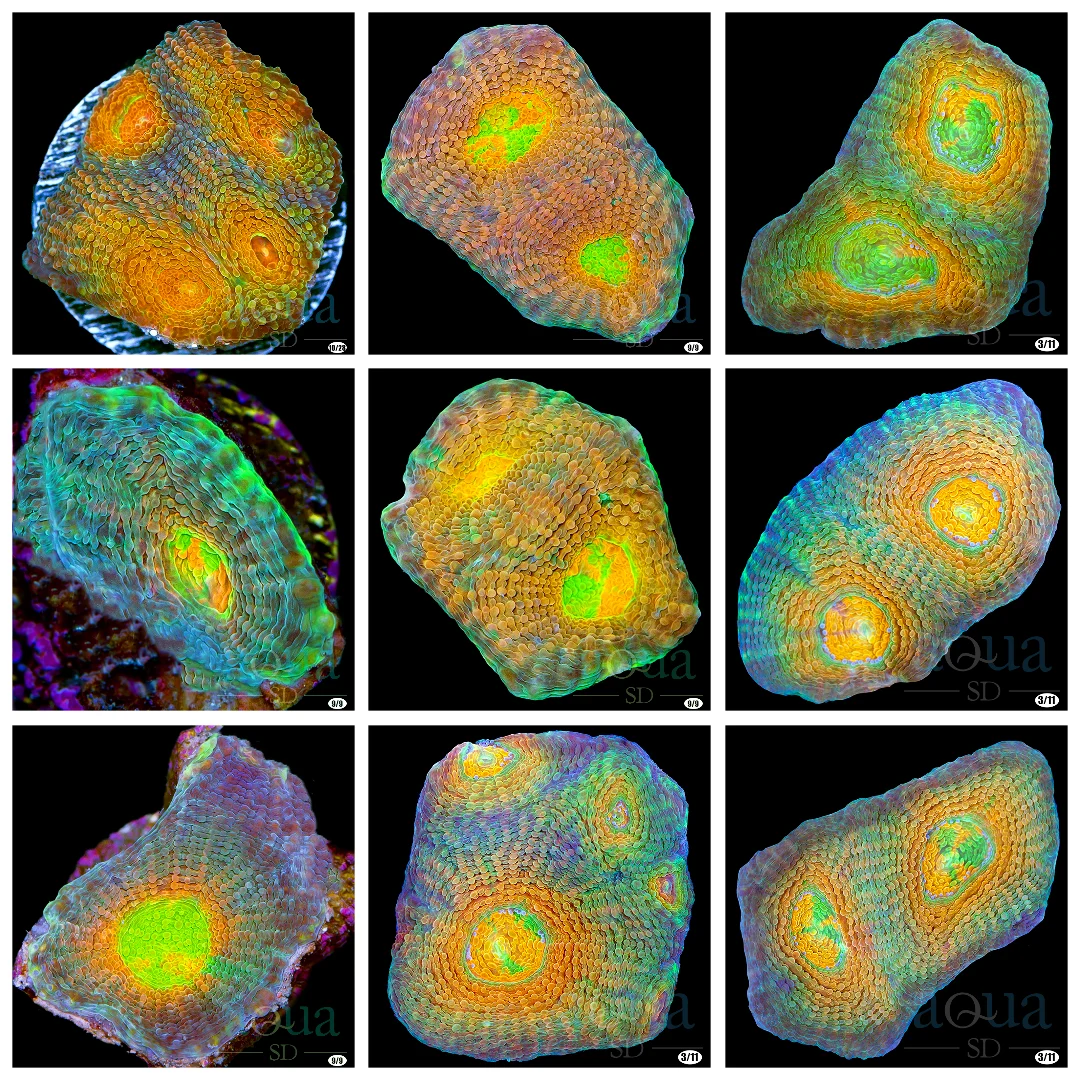
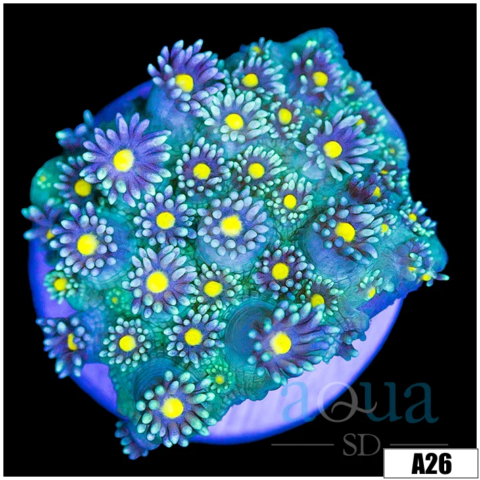
Rainbow Mango Tango Acan Echinata – Multiples Available
Price range: $10.00 through $30.00
Multiples available: contact us for price and availability.
Live animal: Overnight delivery, Tuesday–Friday (Saturday $25 extra, arranged by phone or email). Covered by our Live Arrival Guarantee.We ship daily. Prices and availability may change. Images are for illustration only and may vary from the actual product. Stock is subject to change.
- Packed to order with heat or cold packs for the season
- Eating and settled in our systems before it ships
- Questions? Ask a reef keeper
Share
About this coral
About this coral
Rainbow Mango Tango Acan Echinata – Multiples Available is an LPS coral in the Acanthastrea echinata group, commonly sold as named “acans” based on coloration and form. In practical terms, it’s a display coral valued for its fleshy, textured look and for anchoring an aquascape with chunky polyp character. This listing offers multiple individual frags, so you can add more than one piece while building a visually cohesive centerpiece. Group-level care guidance below is intended for Acanthastrea-style LPS and helps you plan placement, lighting, flow, and routine feeding for long-term display health.
Features:
- Thick, fleshy polyp structure typical of acan-style LPS for a bold, tactile look
- Good choice for aquarists seeking contrast and texture in reef builds (particularly in LPS-dedicated areas)
- Generally prefers low to moderate lighting—avoid sudden jumps to very intense light
- Tends to do best with low to moderate, indirect flow to prevent tissue stress
- Benefits from regular feeding using appropriately sized meaty foods targeted to the polyps
- Allow space from neighboring corals and watch for sweepers/overlap as it grows
Specifications:
- Coral type: LPS (Acanthastrea echinata group)
- Care level (general guidance): Easy to moderate
- Lighting (general guidance): Low to moderate; acclimate gradually
- Water flow (general guidance): Low to moderate, indirect (avoid direct blasting)
- Temperature (general guidance): ~75–82°F
- Salinity (general guidance): ~1.024–1.026 SG
- Alkalinity (general guidance): ~7–11 dKH
- Calcium (general guidance): ~400–450 ppm
- Magnesium (general guidance): ~1200–1400 ppm
- Diet (general guidance): Target-fed meaty coral foods; feed small portions that the polyps can consume
You might also like
-
Live
 LPS Corals
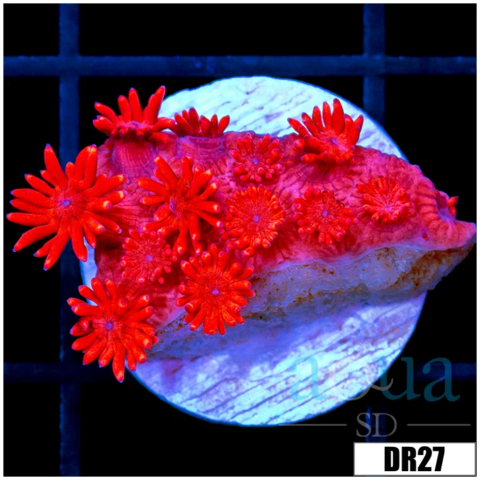
Indo Cultured Red Goniopora
$159.99With code SPOOKY70: $48.00 Add to cart -
Live
 LPS Corals
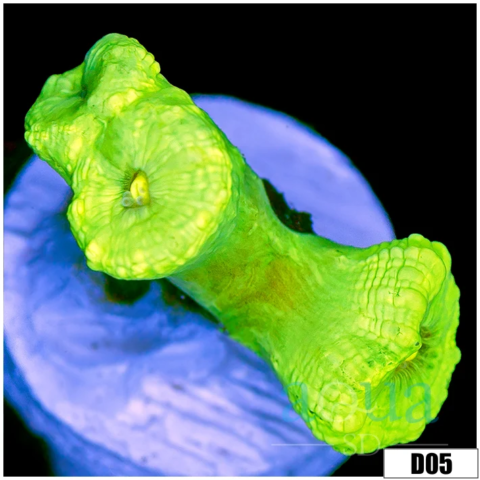
Kryptonite Candy Cane
$49.99With code SPOOKY70: $15.00 Add to cart -
Live
 LPS Corals
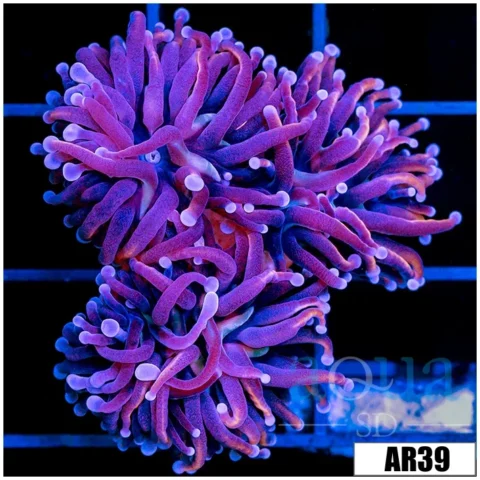
Indo Gold Torch
$299.99With code SPOOKY70: $90.00 Add to cart -
Live
 LPS Corals
Indo Cultured Lemon Lime Goni
$89.99With code SPOOKY70: $27.00 Add to cart