

LPS Corals
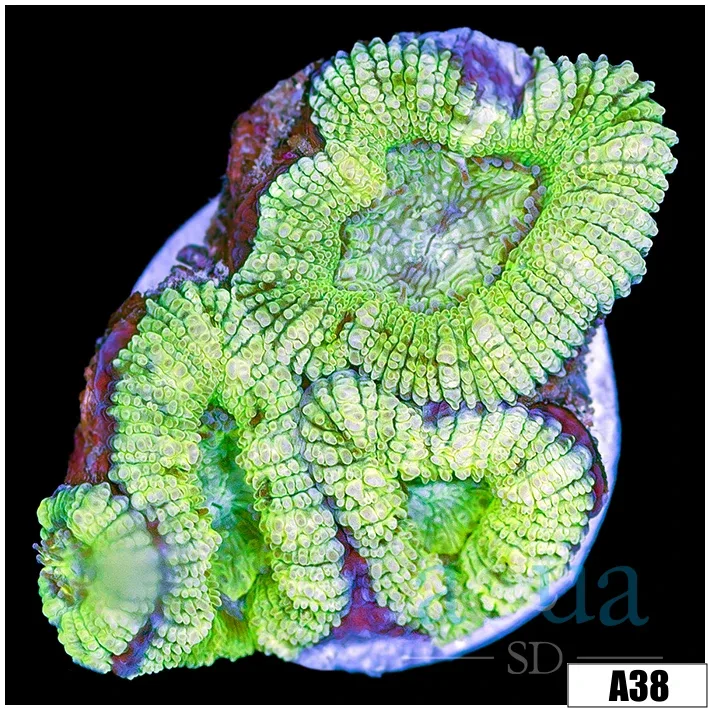
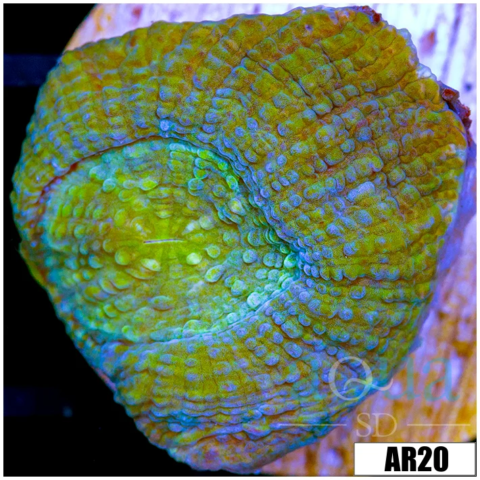
Citrus Acan Lord
$39.99With code SPOOKY70: $12.00
Tag: A38
Live animal: Overnight delivery, Tuesday–Friday (Saturday $25 extra, arranged by phone or email). Covered by our Live Arrival Guarantee.We ship daily. Prices and availability may change. Images are for illustration only and may vary from the actual product. Stock is subject to change.
- Packed to order with heat or cold packs for the season
- Eating and settled in our systems before it ships
- Questions? Ask a reef keeper
Share
About this coral
About this coral
Citrus Acan Lord is an LPS coral in the Acanthastrea group, typically kept in reef aquariums for its fleshy, meaty polyps and overall LPS presence. In practice, this coral is valued for its feeding response—many keepers enjoy offering small meaty foods to support growth and color. Use it as a focal LPS piece in a suitable low-to-moderate light area, paired with stable reef water quality to help it settle in and extend its polyps.
Features:
- LPS coral with fleshy polyps that commonly respond to feeding
- Generally suited to moderate lighting rather than very intense top-down light
- Often appreciates moderate water movement to keep the tissue clear without blasting it
- Acan-type LPS are commonly maintained by both light and regular feeding
- Works well as a mid- to lower-aquarium reef display coral due to its light needs
Specifications:
- Shop name: Citrus Acan Lord
- Coral group: Acanthastrea (Acan) LPS coral
- Care level: Moderate
- Lighting: Moderate light (general guidance for Acanthastrea)
- Water flow: Moderate water flow (general guidance for Acanthastrea)
- Diet: Meaty foods targeted to the polyps (general guidance for Acanthastrea)
- Typical temperature range: About 72–78 °F (general reef guidance for tropical LPS)
- pH (typical reef range): About 8.1–8.4 (general reef guidance)
- Salinity (typical reef range): About 1.024–1.026 SG (general reef guidance)
- Alkalinity (typical reef range): About 8–12 dKH (general reef guidance)
- Calcium / Magnesium (general reef guidance): Maintain within typical reef ranges (exact targets vary by system)
You might also like
-
Live
 LPS Corals
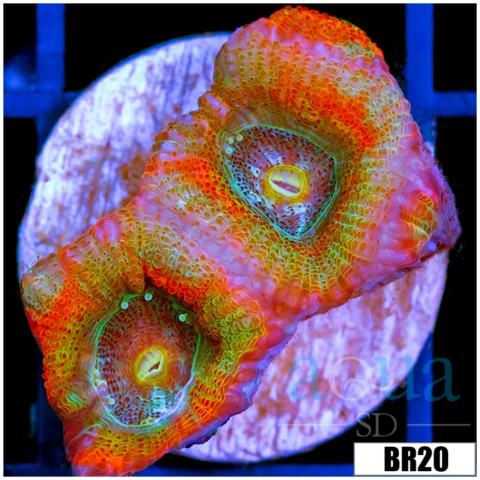
Rainbow Mango Acan Micromussa
Price range: $99.99 through $319.99With code FALL70: $96.00 Choose size This product has multiple variants. The options may be chosen on the product page -
Live
 LPS Corals
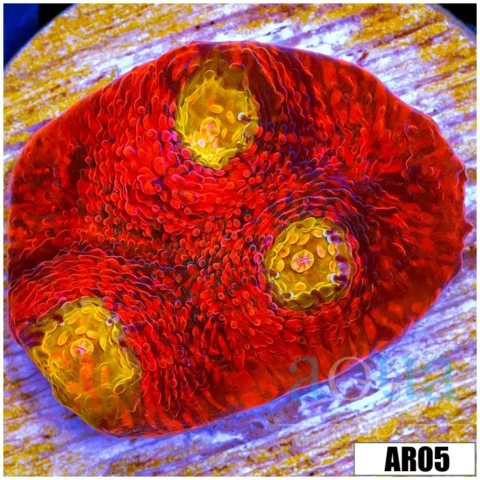
ASD Rainbow Chili Flakes Chalice
$119.99With code SPOOKY70: $36.00 Add to cart -
SaleLive
 LPS Corals
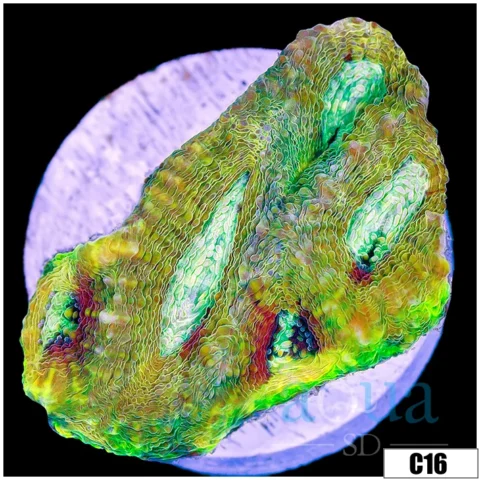
ASD Rainbow Fiesta Enchinata
Original price was: $79.99.$35.00Current price is: $35.00.With code FALL70: $24.00 Add to cart -
Live
 LPS Corals
ASD Boogie Down Chalice
Price range: $24.99 through $64.99With code FALL70: $15.00 Choose size This product has multiple variants. The options may be chosen on the product page