Gobies & Blennies
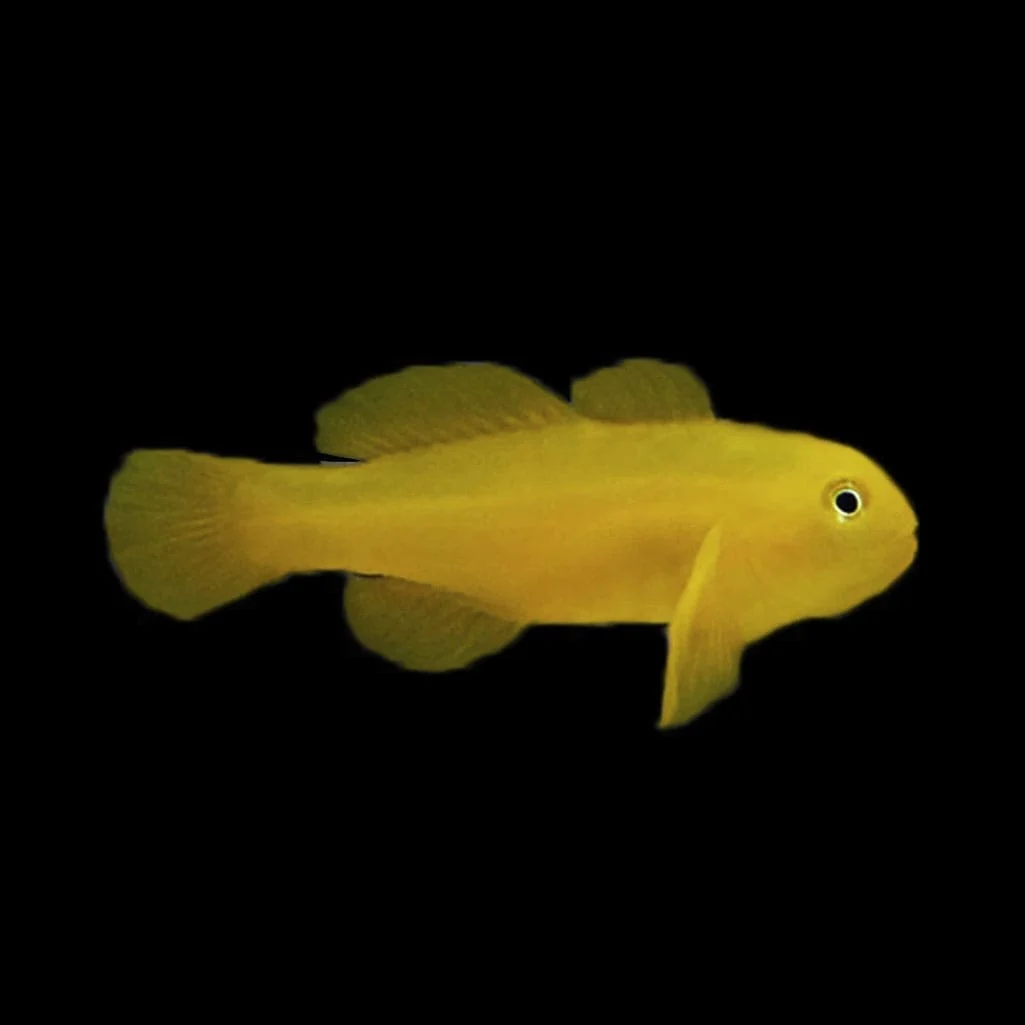
Yellow Clown Goby
Contact us for price and availability
Live animal: Overnight delivery, Tuesday–Friday (Saturday $25 extra, arranged by phone or email). Covered by our Live Arrival Guarantee.We ship daily. Prices and availability may change. Images are for illustration only and may vary from the actual product. Stock is subject to change.
- Packed to order with heat or cold packs for the season
- Eating and settled in our systems before it ships
- Questions? Ask a reef keeper
Share
About this fish
About this fish
Yellow Clown Goby is a small goby for the home saltwater aquarium. When identified as Gobiodon okinawae, this reef-friendly fish is known for calmly living among rocks and corals, making it a popular choice for peaceful community tanks where you want an active, interesting resident to observe throughout the day.
Features:
- Peaceful temperament that generally fits well in many reef tanks
- Often perches on rocks or corals, adding natural movement to the aquascape
- May display burrow- or hide-seeking behavior, and can sometimes share a burrow with a pistol shrimp
- Sift the sand bed behavior may occur depending on individual habits, so it can benefit from established live-rock and sand
- Good candidate for reef aquariums where you want a small, calm fish that doesn’t typically compete aggressively
- Requires a secure setup with a tight lid, since many gobies can jump
- Accepts small frozen foods; consistency helps it settle in and maintain condition
- Arrives more comfortably with slow acclimation and a quiet settling spot in the tank
Specifications:
- Scientific name (verified): Gobiodon okinawae
- Group: Goby (Gobiodon) for saltwater aquariums
- Temperament: Peaceful
- Diet: Small frozen foods such as mysis and copepods
- Feeding frequency: Once or twice a day
- Behavior/placement: Often perches on rocks or corals; may use hiding places and burrows
- Aquarium setup note: Provide a secure tank with a tight lid; acclimate slowly and allow the fish to settle
- Sand/live-food note: If it shows sand-sifting behavior, a deep, mature sand bed can help; for best long-term feeding, consider a tank rich in live copepods if mandarins or similar live-feeders are present