

Gobies & Blennies
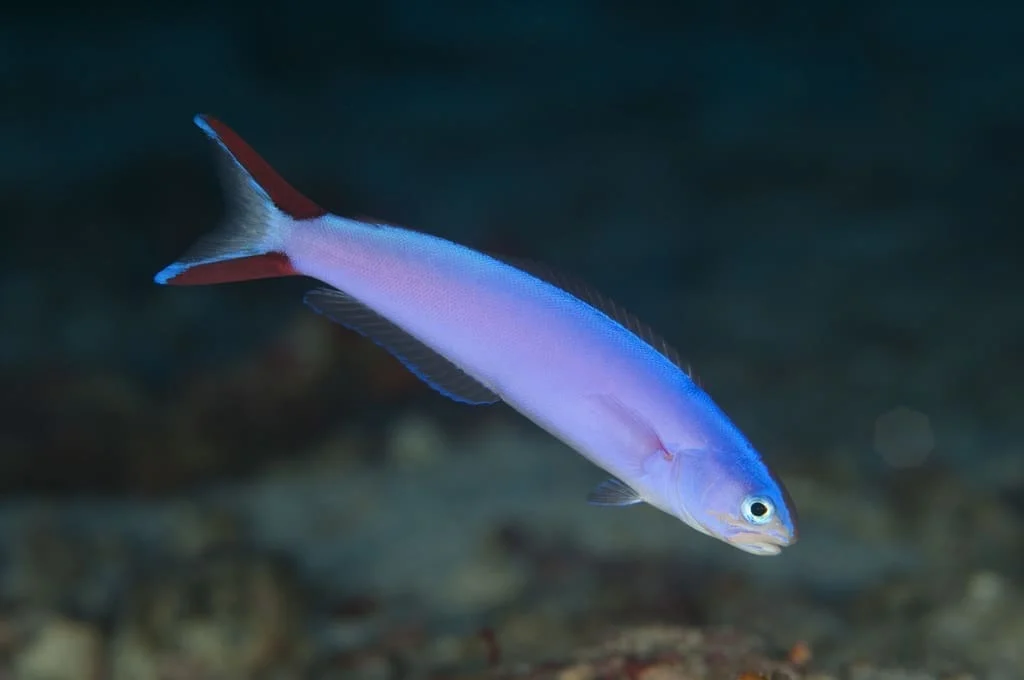
Purple Tilefish
Contact us for price and availability
Live animal: Overnight delivery, Tuesday–Friday (Saturday $25 extra, arranged by phone or email). Covered by our Live Arrival Guarantee.We ship daily. Prices and availability may change. Images are for illustration only and may vary from the actual product. Stock is subject to change.
- Packed to order with heat or cold packs for the season
- Eating and settled in our systems before it ships
- Questions? Ask a reef keeper
Share
About this fish
About this fish
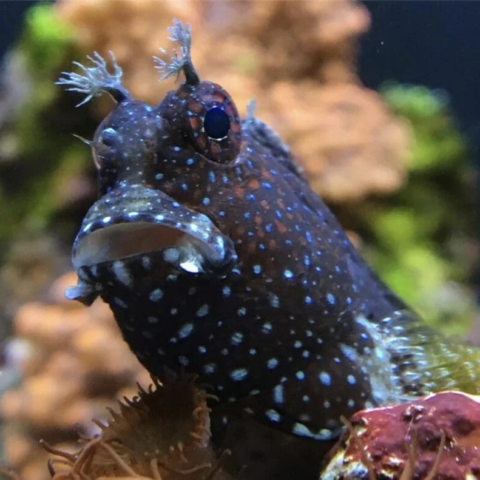
Purple Tilefish is a saltwater fish for the home aquarium (Hoplolatilus purpureus). In a reef or mixed-species tank, it can add an active, sand- and rock-associated presence and is commonly kept as a peaceful “bottom to midwater” fish. Its practical value for hobbyists is that it often behaves naturally in and around live rock and the substrate, making it a rewarding, behavior-focused addition when paired with compatible tankmates.
Features:
- Peaceful, generally compatible goby-type fish that tends to stay calmer than many other active feeders
- Often perches on rocks or corals, and may use the substrate in natural foraging behavior
- Sand-sifting behavior is possible, so it benefits from a mature, deep sand bed (when applicable to the individual)
- Can share space with small, burrow-oriented invertebrate setups, including pistol shrimp systems
- Stays healthier and less stressed with a tight-lid aquarium, since tilefish and many gobies can jump when startled
- Best fed small foods (such as mysis and copepods) in manageable portions
- Adapts more smoothly with slow acclimation and a quiet spot to settle
Specifications:
- Shop name: Purple Tilefish
- Scientific name: Hoplolatilus purpureus
- Category: Gobies & Blennies
- Care level (general): Best suited to aquarists who can maintain stable saltwater conditions and provide appropriate feeding
- Temperament: Shy and peaceful
- Tank lid: Tight lid recommended to help prevent jumping
- Diet: Small frozen foods such as mysis and copepods; offer once or twice daily
- Substrate / placement: Many do best with a deep, mature sand bed for sand-sifting behavior; provide rock/coral surfaces for perching
You might also like
-
Live
 Gobies & Blennies
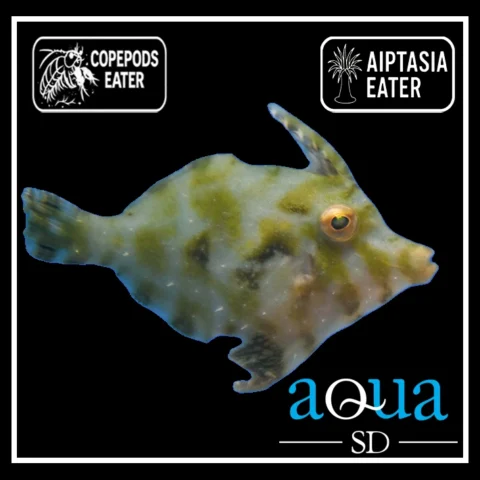
Aiptasia Eating File – Acreichthys tomentosus
$44.99 Add to cart -
Live
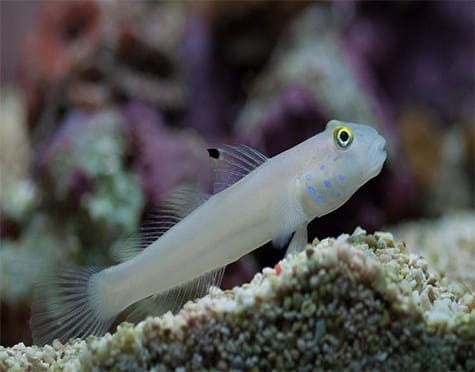
White Sand (Chalk) Goby
Contact us for price See details -
SaleLive
 Gobies & Blennies
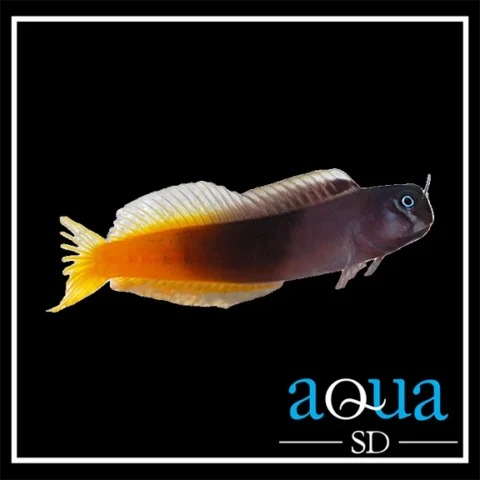
Bicolor Blenny; Male – Ecsenius bicolor
Original price was: $24.99.$19.99Current price is: $19.99. Add to cart -
Live
 Gobies & Blennies
Starry Blenny
Contact us for price See details
