

LPS Corals
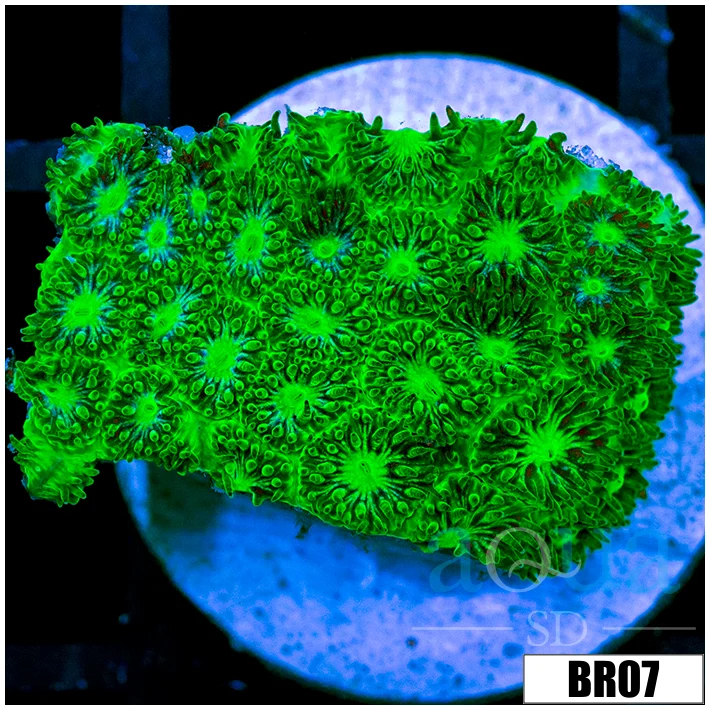
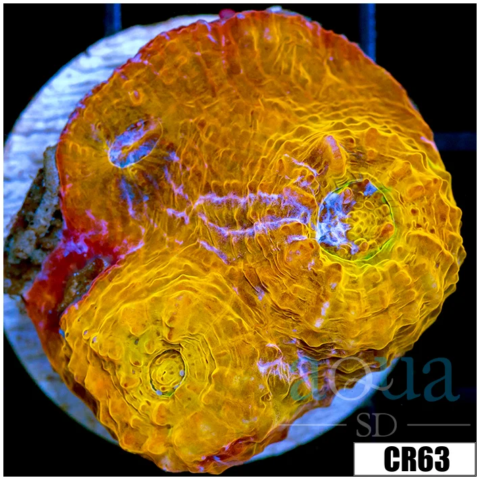
Nuclear Leptastrea
$29.99With code SPOOKY70: $9.00
Tag: BR07
Live animal: Overnight delivery, Tuesday–Friday (Saturday $25 extra, arranged by phone or email). Covered by our Live Arrival Guarantee.We ship daily. Prices and availability may change. Images are for illustration only and may vary from the actual product. Stock is subject to change.
- Packed to order with heat or cold packs for the season
- Eating and settled in our systems before it ships
- Questions? Ask a reef keeper
Share
About this coral
About this coral
Nuclear Leptastrea is an LPS (large polyp stony) coral identified in shops by the genus Leptastrea, offered as a “nuclear” named variety. It’s used in reef aquariums as an ornamental, slow-growing centerpiece coral that helps create the natural reef look through its large, fleshy polyps. In practical terms, this coral is typically kept on the bottom half of the tank where lighting is sufficient for its photosynthetic symbionts, while receiving moderate, non-blasting water movement to help keep its surface clear and comfortable.
Features:
- Large-polyp form typical of LPS corals, making it highly visible in aquascapes
- Leptastrea group generally benefits from stable reef conditions to support long-term skeletal maintenance
- Moderate, indirect water flow helps reduce stress and supports feeding/clean polyp expansion
- Works best when placed where it can receive adequate lighting without direct, harsh blasting
- Often appreciated for its fleshy polyp display and reef-aquarium visual texture
- Like many reef corals, it typically does best in established systems with consistent water chemistry
Specifications:
- Coral group: LPS (Large Polyp Stony Coral)
- Genus (verified): Leptastrea (species not verified)
- Care level (group-level guidance): Generally moderate; benefits from stable, reef-quality water
- Lighting (group-level guidance): Moderate to strong aquarium lighting (avoid harsh direct blast)
- Water flow (group-level guidance): Moderate, indirect/random flow; avoid high-velocity blasting
- Placement (group-level guidance): Typically mid to lower tank depending on your lighting intensity and flow
- Diet (group-level guidance): Photosynthesis-supported; may also benefit from appropriate feeding practices used for LPS (feedings vary by tank)
- Water parameters (group-level guidance): Stable reef water is important; calcium, alkalinity, and magnesium should be maintained for skeletal health
You might also like
-
Live
 LPS Corals
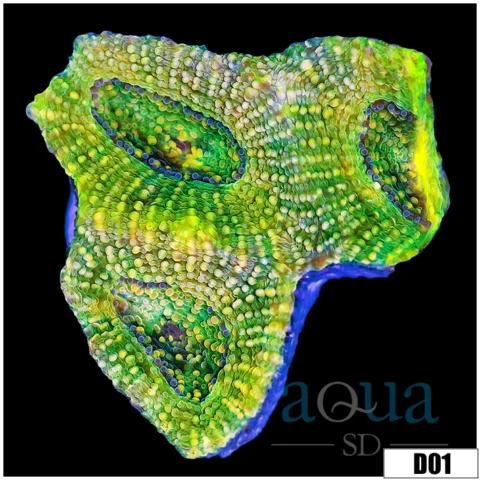
Slimeball Acan Enchinata
$43.99With code FALL70: $12.00 Add to cart -
Live
 LPS Corals
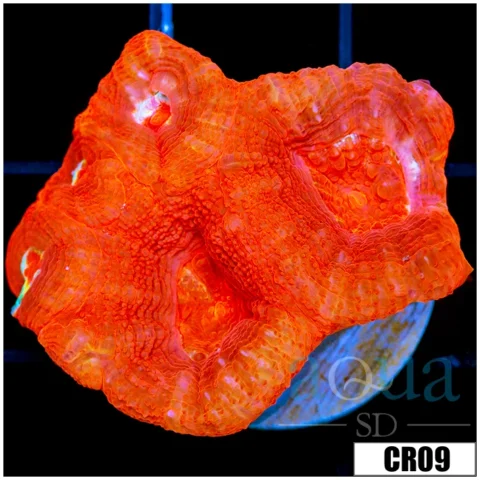
Super Mario Bowerbanki
$87.99With code FALL70: $24.00 Add to cart -
Live
 LPS Corals
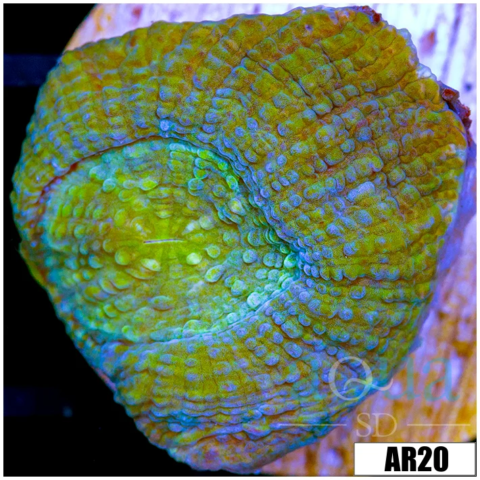
ASD Boogie Down Chalice
Price range: $24.99 through $64.99With code FALL70: $15.00 Choose size This product has multiple variants. The options may be chosen on the product page -
Live
 LPS Corals
ASD Master Gold Chalice
Price range: $149.99 through $299.99With code FALL70: $18.00 Choose size This product has multiple variants. The options may be chosen on the product page