

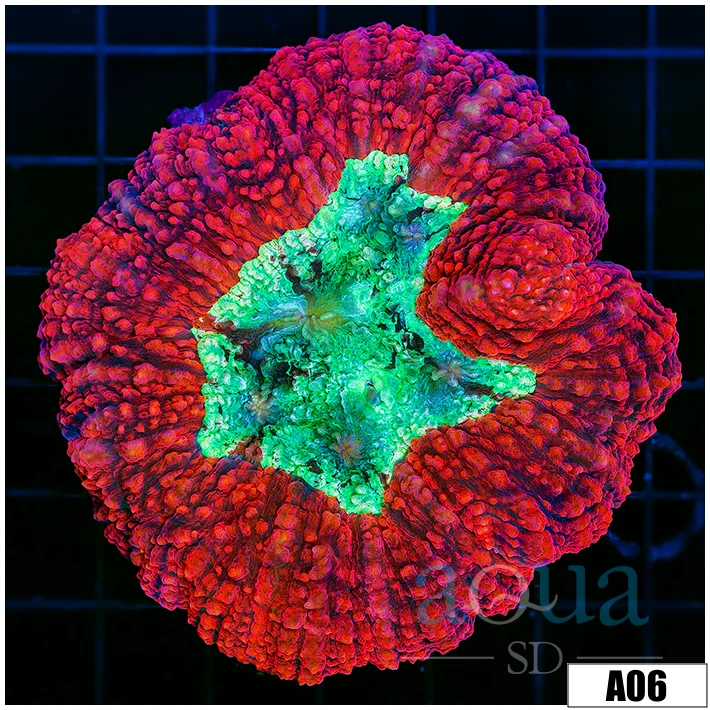
LPS Corals
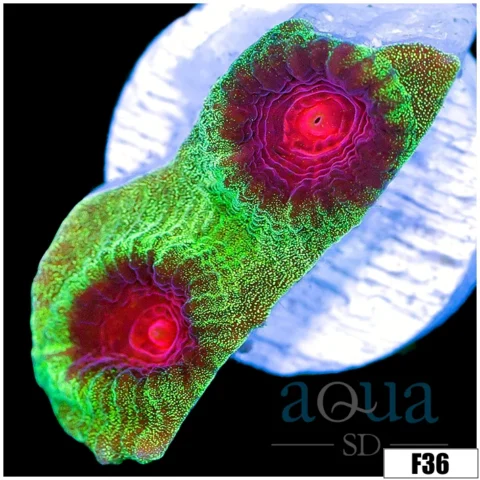
Lava Rim Symphyllia
$299.99
Live animal: Overnight delivery, Tuesday–Friday (Saturday $25 extra, arranged by phone or email). Covered by our Live Arrival Guarantee.We ship daily. Prices and availability may change. Images are for illustration only and may vary from the actual product. Stock is subject to change.
Out of stock
- Packed to order with heat or cold packs for the season
- Eating and settled in our systems before it ships
- Questions? Ask a reef keeper
Share
About this coral
About this coral
Lava Rim Symphyllia is a large-polyp stony (LPS) coral sold under this shop name. It belongs to the Symphyllia group, which taxonomists have since merged into Lobophyllia, so these corals are often called lobos. Lobos are fleshy, colorful LPS corals with a thick tissue layer over a stony skeleton. The care below is general guidance for the Symphyllia/Lobophyllia group. It is not documentation specific to this named color morph. These corals suit mixed reefs and LPS-focused aquariums, where they are usually kept on the lower levels of the rockwork or on the sand bed.
Features:
- A fleshy LPS coral with thick tissue over a hard calcium carbonate skeleton.
- Often considered one of the more forgiving LPS corals when water parameters stay stable.
- Hosts photosynthetic zooxanthellae but also benefits from regular target feeding.
- Takes meaty foods such as mysis, brine shrimp or prepared LPS pellets, usually when its feeding tentacles are out.
- Can put out sweeper tentacles, especially at night, so give it space from neighboring corals.
- Its fleshy tissue can be damaged by strong, direct flow, so gentle to moderate flow is generally preferred.
Specifications:
- Care level: Easy to moderate
- Temperament: Semi-aggressive; give it space from other corals
- Lighting: Low to moderate
- Water flow: Low to moderate, indirect
- Placement: Sand bed or lower rockwork
- Diet: Photosynthetic; benefits from meaty target feeding
- Temperature: 76–82°F
- pH: 8.1–8.4
- Salinity: 1.024–1.026 SG
- Alkalinity: 8–12 dKH
- Calcium: 400–450 ppm
- Magnesium: 1250–1350 ppm
Reviews
No reviews yet. Be the first
You might also like
-
SoldLive
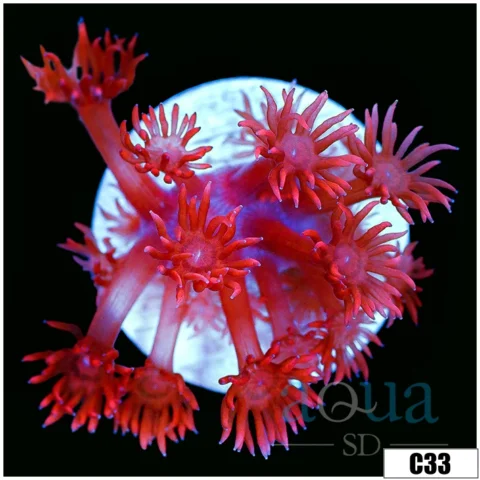 Goniopora & Alveopora
Indo Cultured Red Goni
$99.99With code FALL70: $30.00Code applies automatically at checkout -
SoldLive
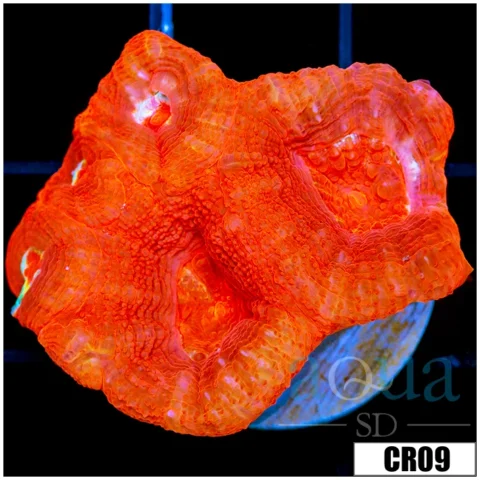 LPS Corals
Super Mario Bowerbanki
$87.99With code FALL70: $24.00Code applies automatically at checkout -
SoldLive
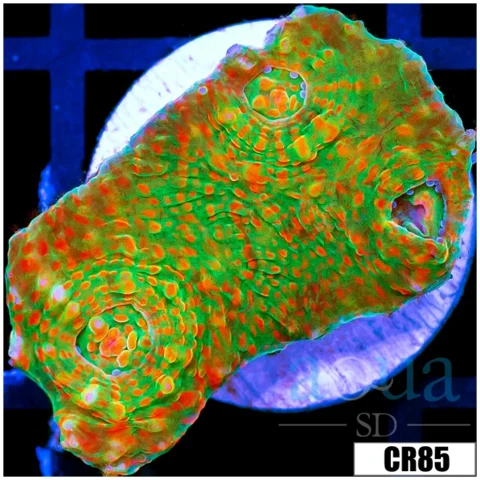 Chalice Corals
Lime Chameleon Chalice
$24.99 -
Live
 LPS Corals
Christmas Favia
Price range: $9.99 through $39.99 Choose size This product has multiple variants. The options may be chosen on the product page
Reviews
There are no reviews yet.