

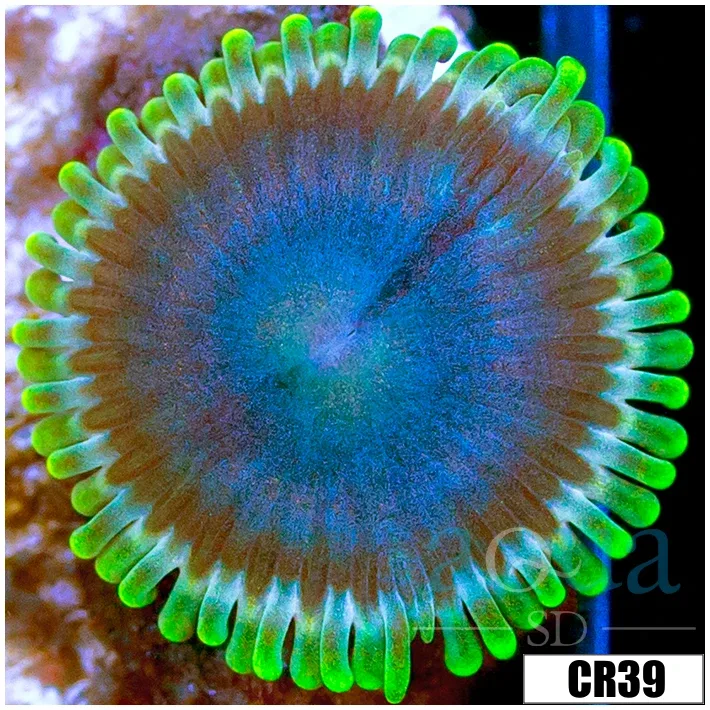
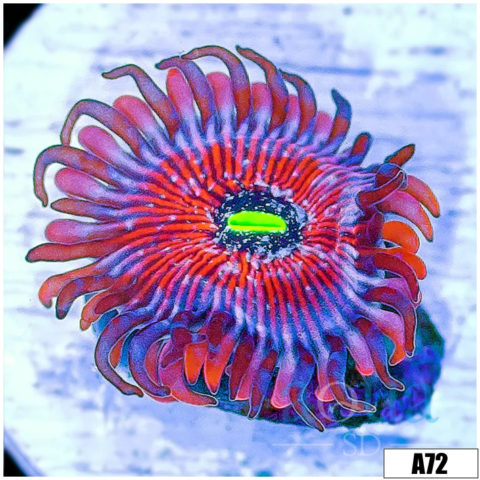
Blue Sinatra Zoas
Price range: $24.99 through $99.99With code SPOOKY70: $7.50
Tag: CR39
- Packed to order with heat or cold packs for the season
- Eating and settled in our systems before it ships
- Questions? Ask a reef keeper
Share
About this coral
Blue Sinatra Zoas – Vibrant Blue Zoanthid Coral for Reef Aquariums
About This Coral
Add a stunning splash of color to your saltwater aquarium with the Blue Sinatra Zoas, an eye-catching Zoanthid coral variety prized for its attractive blue-toned coloration, distinctive polyp patterns, and beautiful colony growth.
Blue Sinatra Zoanthids are a named aquarium-trade variety of Zoanthid, commonly referred to as Zoas. These popular colonial corals are favorites among reef aquarium enthusiasts because of their remarkable diversity of colors, manageable care requirements, and ability to develop into colorful colonies.
The Blue Sinatra variety is especially appealing to hobbyists who enjoy collecting unusual Zoanthid color morphs and creating vibrant Zoa gardens.
Zoanthids grow as individual button-like polyps connected by living tissue. When conditions are favorable, new polyps can gradually spread across nearby rockwork, creating an impressive carpet of color.
Under appropriate reef aquarium lighting, the Blue Sinatra Zoas can make an attractive accent among other colorful Zoanthid varieties. Their appearance will vary depending on the specimen, lighting spectrum, and viewing conditions.
These corals are well suited to established mixed reef aquariums where water parameters remain stable and moderate, indirect water movement is available.
With appropriate lighting, suitable nutrients, and careful placement, Blue Sinatra Zoas can become a beautiful addition to an established coral collection.
Individual frags may vary in coloration, polyp size, and polyp count.
Features
- Blue Sinatra color variety offers a distinctive addition to Zoanthid collections.
- Beautiful blue-toned appearance creates visual interest in reef aquariums.
- Colonial polyp growth allows additional polyps to develop over time.
- Attractive button-like polyps create colorful clusters when fully expanded.
- Low-to-moderate lighting preference accommodates many established reef aquarium setups.
- Moderate, indirect water flow helps prevent debris accumulation around the polyps.
- Photosynthetic coral obtains much of its energy from symbiotic algae.
- Optional supplemental feeding may help support colony development.
- Ideal for colorful Zoa gardens alongside appropriately spaced Zoanthid varieties.
- Suitable for mixed reef aquariums with thoughtful placement.
- Manageable care requirements for attentive beginners and experienced reef keepers.
- Potential colony expansion across suitable rockwork.
- Compact frag format makes it convenient to introduce into a reef display.
- Unique natural variation ensures individual specimens have their own appearance.
- Popular collectible coral type for hobbyists who enjoy colorful Zoanthid morphs.
Specifications
| Specification | Details |
|---|---|
| Product Name | Blue Sinatra Zoas |
| Common Name | Blue Sinatra Zoanthids |
| Coral Type | Colonial Zoanthid Coral |
| Scientific Classification | Zoanthid; exact species not confirmed |
| Color Variety | Blue Sinatra |
| Primary Color Theme | Blue; exact pattern varies |
| Care Level | Easy to Moderate |
| Lighting | Low to Moderate |
| Suggested Starting PAR | Approximately 50–150 |
| Water Flow | Moderate, Indirect |
| Placement | Lower to Middle Reef |
| Temperament | Generally Low Aggression; May Spread |
| Feeding | Photosynthetic; Supplemental Feeding Optional |
| Growth Form | Colonial, Encrusting Polyps |
| Growth Rate | Variable |
| Aquarium Type | Established Saltwater Reef Aquarium |
| Frag Size | Varies by Available Specimen |
| Polyp Count | Not Guaranteed |
| Category | Live Goods – Corals – Zoanthids |
| Availability | Subject to Current Inventory |
Recommended Water Parameters
| Parameter | Recommended Range |
|---|---|
| Temperature | 75–79°F (24–26°C) |
| Salinity | 1.024–1.026 Specific Gravity |
| pH | 8.0–8.4 |
| Alkalinity | 7–10 dKH |
| Calcium | 400–450 ppm |
| Magnesium | 1250–1400 ppm |
| Nitrate | Approximately 2–15 ppm |
| Phosphate | Approximately 0.03–0.10 ppm |
| Lighting | Approximately 50–150 PAR Initially |
| Water Movement | Moderate, Indirect |
These are general Zoanthid husbandry recommendations, not guaranteed requirements unique to the Blue Sinatra color morph. Stable water chemistry is more important than achieving one exact number.
Lighting Requirements
Blue Sinatra Zoas generally benefit from low-to-moderate reef aquarium lighting.
A starting range of approximately 50–150 PAR is suitable for many Zoanthid varieties, although individual specimens may tolerate different intensities depending on their previous environment.
Under suitable blue-spectrum lighting, fluorescent pigments may become more pronounced.
Lighting Recommendations
- Begin newly introduced frags in a lower-light area.
- Gradually increase lighting when necessary.
- Avoid sudden changes in intensity or photoperiod.
- Monitor polyp expansion and coloration.
- Adjust placement if polyps remain closed or show signs of bleaching.
Zoanthids that stretch excessively toward the light may be receiving insufficient illumination, although other husbandry problems can produce similar symptoms.
Water Flow Requirements
Blue Sinatra Zoas generally prefer moderate, indirect water movement.
Appropriate circulation helps remove debris and prevents excessive buildup of detritus between the polyps.
Avoid placing the colony directly in front of a powerful wavemaker or return nozzle.
Excessive flow can prevent the polyps from expanding properly.
A suitable location allows gentle movement around the colony without continuously forcing the polyps closed.
Feeding and Nutrition
Blue Sinatra Zoas are photosynthetic and receive much of their energy from symbiotic algae living within their tissues.
They can also capture small suspended food particles.
Supplemental feeding is optional but may support healthy growth when performed appropriately.
Suitable Foods
- Fine powdered coral foods
- Small zooplankton-based preparations
- Appropriately sized particulate marine foods
- Reef coral nutrition products
Recommended Feeding Schedule
Offer small amounts of fine coral food approximately one or two times per week, if desired.
Use a feeding pipette to deliver diluted food gently near the colony.
Temporarily reducing strong water circulation may help keep suspended food available to the polyps.
Avoid excessive feeding, which can increase aquarium nutrient levels.
Zoanthids do not require large pieces of meaty food.
Placement and Coral Compatibility
Ideal Placement
Blue Sinatra Zoas can be positioned in lower-to-middle areas of an established reef aquarium where lighting and flow are appropriate.
Suitable locations include:
- Lower rockwork
- Stable frag racks
- Dedicated Zoanthid islands
- Protected reef ledges
- Mixed Zoanthid gardens
Creating a Zoa Garden
Blue Sinatra Zoas can complement other colorful Zoanthid varieties, creating contrast in a dedicated coral garden.
For a controlled display, mount the frag on an isolated rock or coral island.
Zoanthids can spread onto neighboring surfaces, so provide sufficient room for future growth.
Neighboring Corals
Although Zoanthids are generally less aggressive than many stony corals with long sweeper tentacles, they can crowd or overgrow nearby specimens.
Avoid placing them immediately next to slow-growing or delicate corals that could be affected by colony expansion.
Acclimation and Introduction Instructions
- Inspect the shipment: Examine the frag and shipping container when it arrives.
- Check aquarium parameters: Confirm that temperature, salinity, and other important water conditions are stable.
- Equalize temperature: Carefully acclimate the sealed shipping container to the aquarium’s temperature.
- Follow appropriate acclimation procedures: Avoid unnecessarily prolonged exposure to opened shipping water.
- Inspect for pests: Look for Zoanthid-eating nudibranchs, sundial snails, unwanted algae, and other hitchhikers.
- Use a suitable coral dip when appropriate: Follow the manufacturer’s instructions for Zoanthids.
- Quarantine when possible: A separate observation system can help prevent introducing pests.
- Place under manageable lighting: Begin in a lower-to-middle area with moderate, indirect flow.
- Allow recovery time: Polyps may remain closed temporarily following shipping.
- Monitor regularly: Observe polyp opening, coloration, tissue condition, and new growth.
Never pour coral-dip solution or shipping water directly into the display aquarium.
Important Safety Information – Palytoxin
Zoanthids and related colonial polyps may contain palytoxin or other potentially hazardous substances.
Not every Zoanthid contains the same toxins, and toxicity cannot be determined reliably by appearance.
Always use appropriate precautions:
- Wear protective gloves and eye protection when handling or fragging Zoanthids.
- Keep coral mucus away from cuts, eyes, and mouth.
- Never boil, steam-clean, burn, or use hot water to remove Zoanthids from rockwork.
- Avoid practices that can aerosolize coral tissue or contaminated water.
- Keep children and pets away from coral-handling workspaces.
- Wash hands and tools thoroughly after handling.
- Seek urgent medical advice if exposure causes breathing difficulties, chest discomfort, severe eye irritation, or systemic illness, and mention possible palytoxin exposure.
Never use boiling water to clean Zoanthid-covered rocks or equipment.
Signs of Healthy Blue Sinatra Zoas
Healthy Zoanthids generally display:
- Regularly opening polyps during the aquarium’s photoperiod
- Consistent coloration
- Intact tissue around the polyp base
- Gradual development of new polyps
- Minimal debris accumulation around the colony
Temporary closure after shipping may be normal.
Persistent closure, tissue deterioration, or disappearing polyps can indicate problems with lighting, flow, pests, or water conditions.
Important Product Information
Blue Sinatra Zoas are live colonial coral-like invertebrates intended for established saltwater reef aquariums.
Blue Sinatra is a named aquarium-trade color morph, not a separate scientifically recognized species.
Aqua SD has marketed specimens under the Blue Sinatra Zoanthids name, including a separate listing for Blue Sinatra Combo Zoanthids.
The exact colors, polyp count, colony size, and frag dimensions depend on the available specimen.
Unless specifically identified as WYSIWYG (What You See Is What You Get), photographs should be considered representative examples.
Coral appearance may vary under white, blue, and actinic aquarium lighting.
This livestock is intended for saltwater aquariums and is not suitable for freshwater environments.
Availability and Pricing
We ship daily, contact us for availability and price.
Recommended Application
The Blue Sinatra Zoas are an excellent choice for established mixed reef aquariums, colorful Zoanthid gardens, and collectors seeking an eye-catching blue-themed coral variety.
With their attractive colonial growth, manageable lighting and flow requirements, and potential to develop into larger colorful colonies, Blue Sinatra Zoanthids offer a beautiful addition to a carefully maintained saltwater reef display
You might also like
-
Live
 Zoanthids & Palys
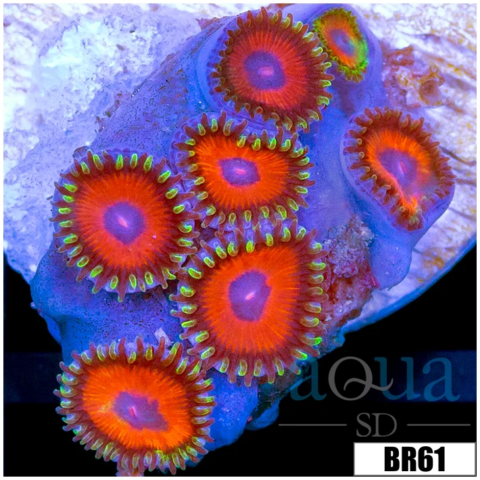
Watermelon Rasta Zoas
Price range: $39.99 through $49.99With code SPOOKY70: $15.00 Choose size This product has multiple variants. The options may be chosen on the product page -
Live
 Zoanthids & Palys
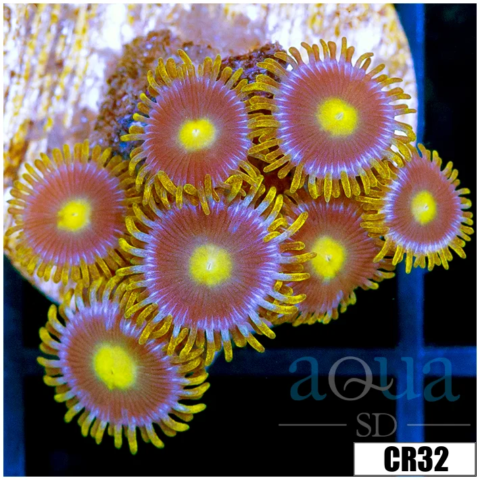
Blow Pop Zoas
Price range: $19.99 through $29.99With code SPOOKY70: $9.00 Choose size This product has multiple variants. The options may be chosen on the product page -
Live
 Zoanthids & Palys
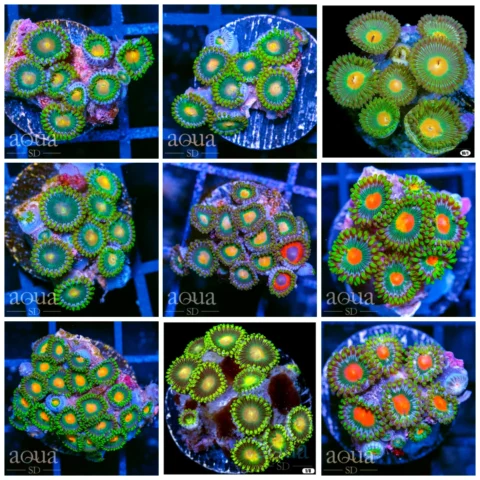
Gator Eye Zoas – Multiples Available
Price range: $10.00 through $30.00 Choose size This product has multiple variants. The options may be chosen on the product page -
Live
 Zoanthids & Palys
White Zombie Zoanthids
Price range: $99.99 through $199.99 Choose size This product has multiple variants. The options may be chosen on the product page