

Zoanthids & Palys
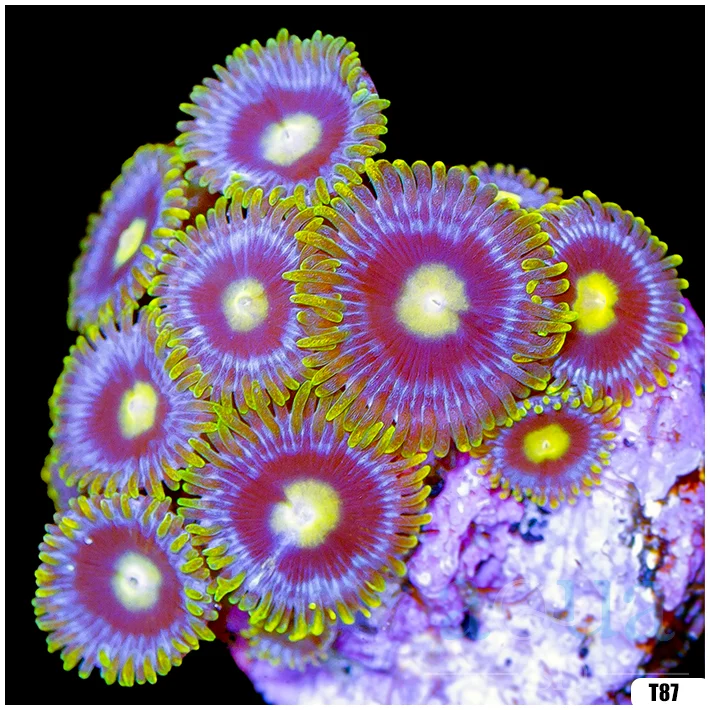
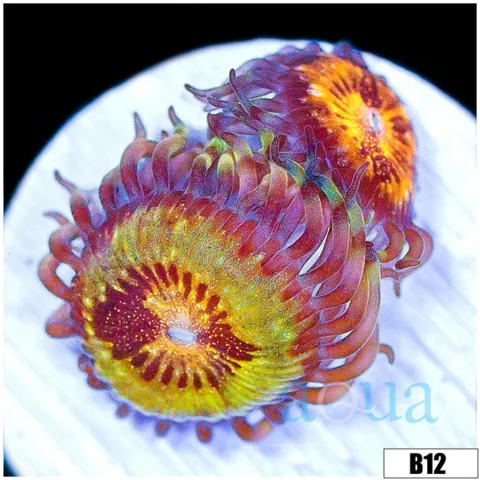
Blow Pop Zoas
Price range: $19.99 through $43.99
Live animal: Overnight delivery, Tuesday–Friday (Saturday $25 extra, arranged by phone or email). Covered by our Live Arrival Guarantee.We ship daily. Prices and availability may change. Images are for illustration only and may vary from the actual product. Stock is subject to change.
- Packed to order with heat or cold packs for the season
- Eating and settled in our systems before it ships
- Questions? Ask a reef keeper
Share
About this coral
About this coral
Blow Pop Zoas are live zoanthid/palythoa-type corals (often sold under the common “zoas” nickname) for adding colorful, polyp-forming life to reef aquariums. They’re typically kept as attached polyps on a rock base or frag plug and are commonly used in reef displays to create a lively, low-profile “carpet” or patch look once established. This listing should be treated as group-level zoanthid guidance, since “named morph” traits can vary and may not reflect a distinct species with a separate care sheet.
Features:
- Polyp-forming reef invertebrates that can create dense color and texture in display tanks
- Generally suited to reef aquariums that provide stable water conditions and appropriate reef lighting
- Often tolerated in mixed reef settings, but still benefit from spacing to reduce contact with other corals
- Can benefit from clean, well-circulated water and consistent maintenance for long-term appearance
- A practical choice for aquarists building a zoa/paly collection or filling aquascape zones
Specifications:
- Coral group: Zoanthid/palythoa-type (zoas/palys), sold as live polyps
- Attachment: Typically sold mounted on a rock piece or frag plug; place on/near live rock
- Lighting: Moderate reef lighting (general zoanthid/paly guidance)
- Water flow: Gentle to moderate, depending on how the polyps respond (general guidance)
- Feeding: Primarily photosynthetic; may benefit from reef feeding cycles as appropriate for reef tanks (general guidance)
- Temperament: Generally peaceful toward most fish; keep separated from corals that may contact them (general guidance)
Reviews
There are no reviews yet.