

Ultra Clam Care: Light, Flow, Stability and Acclimation
You'll learn how to place, light, and care for your Ultra Clam so its vibrant mantle colors stay brilliant and the animal grows steadily.
Invertebrate care · Detailed tutorial · About 12 minutes · Beginner friendly
The key habit: Stability is everything—maxima clams need intense light and steady calcium, alkalinity, and salinity, so dial the reef in first, then add the clam.
In this guide
- What the Ultra Clam is and where it comes from
- Tank size and placement
- Lighting requirements and acclimation
- Water flow
- Water parameters
- Feeding and nutrition
- Acclimation and introduction to your tank
- Signs of good health
1. What the Ultra Clam is and where it comes from
The Ultra Clam, a Tridacna maxima, represents the most vibrant and premium color morph, featuring intense, iridescent mantle patterns in brilliant shades of electric blue, turquoise, green, gold, and violet, with each specimen displaying a unique "holographic" pattern. It reaches around 8–12 inches when fully grown, making it the smallest of the large Tridacna clams but among the most sought-after due to exceptional color and pattern variation.
Native to Indo-Pacific reef flats and lagoons including Fiji, Tonga, Indonesia, and the Great Barrier Reef, Ultra specimens are typically aquacultured in shallow ocean nurseries where strong sunlight and nutrient balance enhance their vivid mantle pigmentation, and cultured individuals are more adaptable and sustainable than wild-collected clams.
Like corals, Ultra Clams host symbiotic algae called zooxanthellae within their mantles that perform photosynthesis, producing energy that sustains the clam.
2. Tank size and placement
A minimum tank size of 30 gallons with true reef-grade lighting is recommended. However, the Ultra Clam thrives best in a stable, established reef system at least several months old. This gives beneficial bacteria time to establish and water parameters time to become reliable.
Placement is critical. Place your Ultra Clam in a well-lit location in the aquarium and avoid shadows from reef structures or corals. Young clams in particular can still be quite mobile and move around using one foot, so choose a location close to the substrate so the clam cannot fall down and injure itself.
3. Lighting requirements and acclimation to light
Lighting is the most important factor in Ultra Clam success. The Maxima Ultra depends heavily on symbiotic zooxanthellae for photosynthesis, which fuels both its energy needs and stunning coloration.
The PAR range is 300–450 µmol/m²/s for optimal health and color retention, and the clam should be placed in the upper third of the aquarium or directly on rockwork where light is strongest.
Acclimate gradually to intense light. Clams need intense lights, but young clams under 2 inches are easily damaged by light, and all sized clams need to be properly acclimated to intense lighting. Start your clam low in the tank and lower the intensity of your lights, then ramp your lights up and move the clam higher little by little every week until it is fully acclimated.
4. Water flow
Low to moderate, indirect flow is needed—the water movement should keep the mantle gently rippling without direct pressure, helping with gas exchange and nutrient delivery without irritating the clam's sensitive tissues.
Tridacna clams prefer moderate, indirect flow, the mantle should move gently, not flap aggressively, and direct, laminar flow from a powerhead can cause chronic irritation and prevent full mantle extension.
5. Water parameters
Water should be 75 to 80°F, specific gravity 1.024 to 1.026, calcium 400 to 450 ppm, alkalinity 8 to 11 dKH, and magnesium near 1300 ppm. Nitrate should be 10–30 ppm and phosphate 0.01–0.1 ppm.
Clams are known for fast growth rates and deplete calcium and alkalinity aggressively to power this growth, and high calcium and alkalinity are a must. Test your tank regularly and maintain consistent dosing schedules for calcium and alkalinity.
6. Feeding and nutrition
Most healthy clams in established reef tanks get the majority of their energy from light, with their zooxanthellae doing much of the nutritional work, which is why lighting quality is so critical.
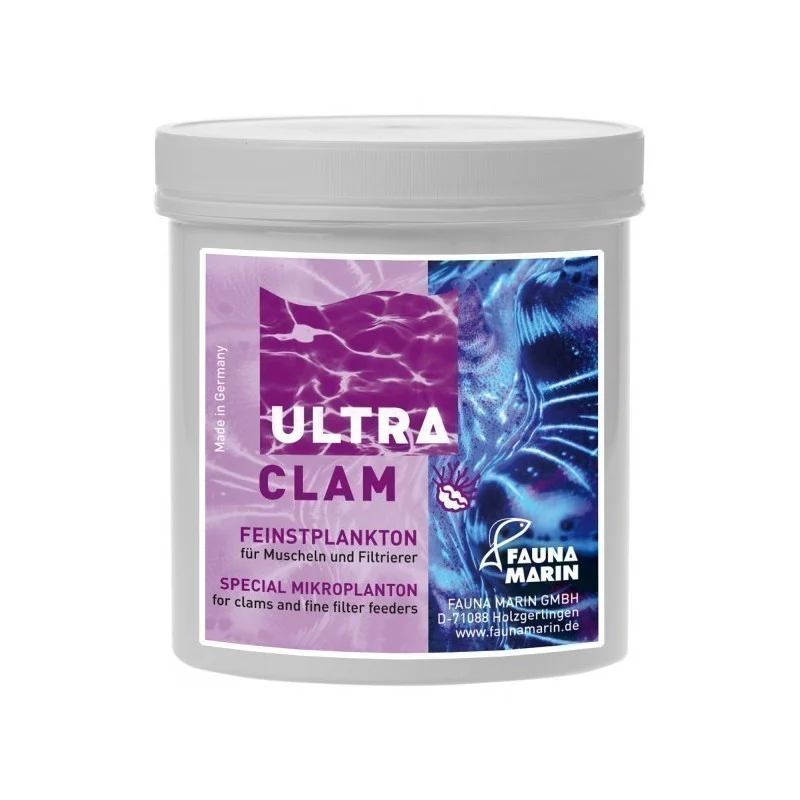
Feeding is mostly photosynthetic, but clams under about 3 inches especially benefit from regular live phytoplankton. Clams smaller than 3 inches would benefit from phytoplankton supplementation. If you feed, target-feed small amounts of phytoplankton a few times per week with a turkey baster near the clam's inhalant opening (the larger opening in the mantle).
7. Acclimation and introduction to your tank
Gather before you start
- Drip acclimation line (airline tubing or dedicated acclimation equipment)
- Small bowl or bucket
- Refractometer or hydrometer to check salinity
- Towel
- Dim lighting in the acclimation area (or cover the bucket with a towel)
1. Prepare for slow drip acclimation. The clam is sensitive to sudden changes in water parameters, and it is essential to perform a slow drip acclimation upon receipt. This process takes 1–2 hours.
2. Start the drip. Place the clam in a small bucket. Set up a drip line from your tank into the bucket at a rate of 2–3 drips per second. As the acclimation water enters, slowly siphon out an equal amount to keep the bucket's water level stable.
3. Monitor temperature and parameters. As the acclimation progresses, the water in the bucket will gradually match your tank's temperature, salinity, and pH. Watch the clam for signs of stress (closed shell, withdrawn mantle, discolored tissue). If you see these, slow the drip rate.
4. Float the clam in the tank. After 1–2 hours, when the bucket water closely matches your tank water, gently place the clam (still in a container or bag) on the surface of your tank for another 15–30 minutes to equalize any remaining differences.
5. Place in the tank. Gently lower the clam into its final position on a rock or substrate. Do not handle the clam's mantle directly. Let it settle for 24 hours in dim light before gradually increasing lighting intensity over the following week.
8. Signs of good health
| What you notice | What to check next |
|---|---|
| Mantle is fully open and brightly colored during the day | Lighting and water parameters (calcium, alkalinity) are stable; normal behavior |
| Mantle partially open or dull in color | Check PAR levels, calcium, and alkalinity; ensure proper flow and no pesticide exposure |
| Mantle closed or withdrawn for more than a few hours | Water parameters, temperature, salinity, and ammonia; check for sudden light or flow changes |
| Shell edges show bleached or pale areas | Usually indicates light stress or poor water chemistry; review calcium and alkalinity levels |
| Mantle has tears or visible damage | Caused by strong flow, rough handling, or predation; move to calmer area if needed |
| Clam appears to move or reorient frequently | May indicate it is searching for better light or conditions; review placement and PAR levels |
Your care log
Placed on: ______ Light (PAR): ______ Flow direction: ______ Tank temperature: ______
Water tested on: ______ Calcium (ppm): ______ Alkalinity (dKH): ______ Magnesium (ppm): ______
Placed on: ______ Mantle color notes: ______ Size estimate: ______ Next review: ______
Sources
Checked October 10, 2026.
- Bulk Reef Supply, "How to Care for Tridacna Clams in Your Saltwater Aquarium", https://www.bulkreefsupply.com/content/post/md-2016-02-how-to-care-for-tridacna-clams-in-your-saltwater-aquarium
- Algae Barn, "Keeping Clams in the Reef Tank | Tridacna Clams", https://www.algaebarn.com/blog/invertebrates/tridacna-clams/keeping-clams-in-the-reef-tank/
- Tidal Gardens, "Tridacna Clam Care", https://tidalgardens.com/articles/coral-care-articles/tridacna-clams-reef-aquariums-maxima-squamosa-crocea-derasa-gigas-clams.html
- Reeflings, "Yellowline Arrow Crab (Stenorhynchus seticornis)", https://reeflings.com/species/stenorhynchus-seticornis
- Jungle Aquatics, "Care for Tridacna & Hippopus Clams in Reef Tanks", https://jungleaquatics.com/blogs/news/care-for-tridacna-hippopus-clams-reef-tank-guide
- Recifa Home, "Mespilia globulus", https://www.recifathome.com/en/sea-urchin/340-mespilia-globulus.html
- Tropical Marine Centre, "Cultured Clam – Maxima Ultra – Tridacna maxima", https://tropicalmarinecentre.com/en/tmc/livestock/inverts/clams-cultured/cultured-clam-maxima-ultra
- Squeaky's Aquatics, "Ultra Grade Maxima Clam (Tridacna maxima)", https://squeakysaquatics.com/products/ultra-grade-maxima-clam-tridacna-maxima-saltwater
- MyReefLog, "Clams Care Guide for Reef Tanks", https://www.myreeflog.com/learn/clams-care-guide
- Whitlyn Aquatics, "Tridacna Clam Care Guide", https://www.whitlynaquatics.com/blogs/news/tridacna-clam-care-guide-care-feeding-lighting-tips