

Neon Petals Alveopora Care: Light, Flow and Patience
You'll be able to place and feed your Alveopora so its delicate polyps thrive without bleaching or starving.
Coral care · Detailed tutorial · About 12 minutes · Beginner friendly
The key habit: Alveopora need moderate lighting and moderate flow, as too much or too little of either can be damaging. Give it consistent conditions, and it will repay you with extended, beautiful polyps.
The Neon Petals Alveopora has sold: shop similar LPS Corals →
In this guide
- What Alveopora is and how it grows
- Light requirements
- Water flow
- Placement in your tank
- Feeding
- Water parameters
- Acclimation and dipping
1. What Alveopora Is and How It Grows
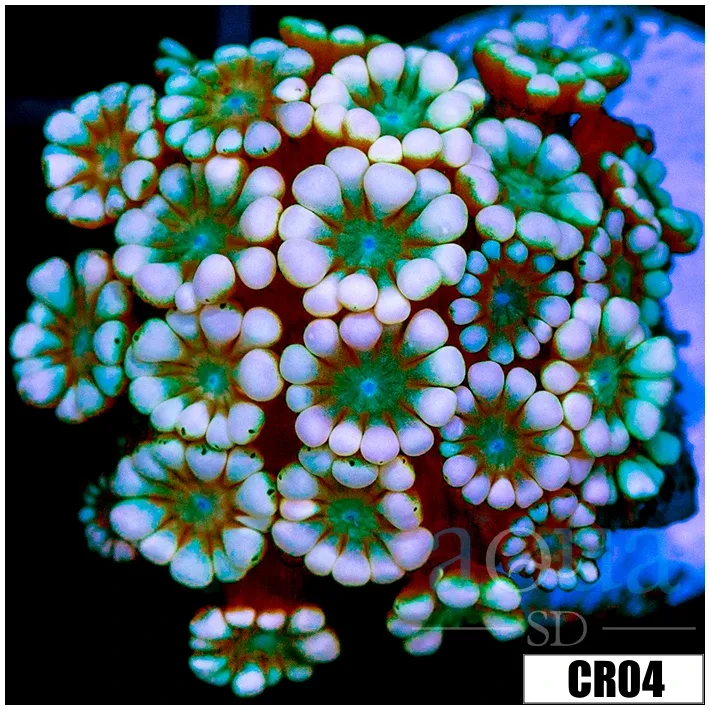
Alveopora are LPS corals that add movement, texture, and color to any reef aquarium. The Neon Petals Alveopora displays bright, eye-catching coloration with long, delicate polyps that extend to resemble flower petals swaying in the current. Alveopora forms flatter plates or encrustations. Polyps extend both day and night, providing movement and texture in the tank.
Alveopora are much hardier and easier to keep than Goniopora, and they seem to live much better long term and are less picky about their tank placement and conditions. This makes them a solid choice for those new to stony corals, though they still require attention to their specific needs.
2. Light Requirements
Alveopora prefer moderate lighting. It prefers moderate water flow and lighting of 100-150 PAR. Other sources recommend moderate lighting (50–150 PAR), avoiding direct intense light to prevent bleaching, especially for Alveopora.
A safe starting point for the Neon Petals Alveopora is 80–150 PAR. Too much light and flow and they will bleach and retract. Too little and their beautiful colors will fade and they will sit stagnate and starve.
Light spectrum: Use full-spectrum white and blue LED lighting or T5s to bring out the neon colors.
Photoperiod: Maintain a standard aquarium photoperiod of 8–10 hours per day.
3. Water Flow
Gentle to moderate flow prevents damage to delicate polyps. Direct water flow should be avoided as it may damage the flesh of the coral.
Position the coral so it receives indirect flow—not a direct blast from a powerhead. Randomized flow patterns mimic its natural habitat and encourage polyp extension. Alveopora should move gently and continuously, not whip or collapse under strong direct current. Good indirect flow helps prevent detritus buildup while supporting feeding and gas exchange.
4. Placement in Your Tank
Rockwork or sandbed with gentle to moderate flow, leaving room for polyps to extend freely is ideal. Mount the coral using IC gel glue or putty on an exposed rock or ledge in the lower two-thirds of the aquarium where they will receive moderate currents and low to moderate lighting.
Leave 2–3 inches around this coral as it has tentacles that can sting nearby corals at night. Place it away from aggressive corals and ensure its polyps can extend freely without interference.
5. Feeding
Alveopora is photosynthetic and relies on zooxanthellae for much of its nutrition. However, supplemental feeding significantly boosts health and growth.
Both genera benefit from target feeding 1–3 times per week. It also benefits from supplemental feeding, particularly with copepods and mysis shrimp. Spot feeding can be done using a pipette or turkey baster to target feed the coral.
Feeding routine:
- Feed 1–2 times per week with finely suspended foods
- Use a pipette or small turkey baster to target feed gently
- Try phytoplankton, reef roids, mysis shrimp, or copepod blends
- Avoid large food particles that can irritate the delicate polyps
6. Water Parameters
Alveopora require stable conditions. Avoid sudden swings in any parameter.
| Parameter | Range | Notes |
|---|---|---|
| Temperature | 74–80°F (23–27°C) | Keep stable; avoid fluctuations |
| Salinity (Specific Gravity) | 1.024–1.026 | Aim for 1.025 as ideal |
| pH | 8.1–8.4 | Stable is more important than exact value |
| Alkalinity | 8–9.5 dKH | Essential for skeletal growth |
| Calcium | 420–450 ppm | Supports skeleton building |
| Magnesium | 1,260–1,350 ppm | Works with calcium and alkalinity |
| Nitrate | Detectable (5–10 ppm) | Some nutrients support health |
| Phosphate | Detectable (0.03–0.1 ppm) | Some nutrients support health |
Alveopora requires stable water chemistry, including proper salinity, alkalinity, and magnesium levels. Calcium and iron levels should also be maintained to ensure proper skeletal development.
7. Acclimation and Dipping
New Alveopora need careful handling to settle into your tank. New Alveopora should be inspected and acclimated carefully. Quarantine is a smart choice because it allows you to watch for pests, tissue recession, shipping stress, and poor polyp extension before the coral enters the main display.
Gather before you start
- Thermometer
- Small container or acclimation bucket
- Turkey baster or pipette
- Coral dip (Coral RX, Revive, or similar)
- Fresh tank water (collected a day before if possible)
- Low-light holding area or quarantine tank
Acclimation steps
1. Temperature acclimate: Place the bag in your quarantine tank and allow it to float for 15–30 minutes. This brings the coral to your tank's temperature.
2. Inspect the specimen: Inspect the skeleton, plug, and tissue for pests or damage. Look carefully at the base and any crevices.
3. Begin water acclimation: Slowly add 1/2 cup of aquarium water every few minutes to the tub. The gradual process helps minimize sudden changes in pH and salinity, which corals and other invertebrates are sensitive to.
4. Complete acclimation: The acclimation process should take no more than 30 minutes. Once you've doubled the water volume (50/50 mix of shipping water and tank water), the coral is ready for the next step.
5. Dip the coral: Use coral dips only when appropriate and follow product directions. Most dips take 5–10 minutes. Rinse the coral gently in fresh aquarium water after the dip to remove any remaining chemicals.
6. Place in quarantine or low-light display area: Place the coral in moderate light, not the brightest zone. Use gentle to moderate indirect flow. Observe for several weeks when possible before display placement.
7. Monitor for two weeks: Watch for signs of pest activity, tissue damage, or poor polyp extension before moving it to its permanent spot.
What You Notice and What to Check Next
| What you notice | What to check next |
|---|---|
| Polyps fully extended day and night | Lighting is appropriate; flow is gentle and indirect |
| Polyps retracted or partially closed | Check flow—reduce if too strong; may indicate stress or pending mow event |
| Fading or pale coloration | Increase light gradually, or check nutrient levels (nitrate, phosphate) |
| Bleached white appearance | Reduce light immediately; move to lower position; check temperature stability |
| Visible algae or debris on coral | Improve flow slightly (gently) to keep surface clean; may indicate tank nutrient issue |
| Slow or no growth over months | Confirm feeding schedule; check alkalinity and calcium; verify light intensity |
Your Care Log
Placed on: ______
Light (PAR): ______
Flow rate (GPH) / flow description: ______
First feeding date: ______
Temperature: ______
Salinity (specific gravity): ______
Notes on polyp behavior:
______
Feeding log (1–2 times per week):
Date: ______ Food: ______
Date: ______ Food: ______
Date: ______ Food: ______
Water parameter checks:
Date: ______ Alk: ____ pH: ____ Ca: ____ Mg: ____
Date: ______ Alk: ____ pH: ____ Ca: ____ Mg: ____
Sources
Checked October 8, 2026.
- Vivid Aquariums, "Vivid's Red Velvet Alveopora Coral", https://vividaquariums.com/products/vivids-red-velvet-alveopora-coral
- Whitlyn Aquatics, "Goniopora & Alveopora Coral Care Guide – Care, Feeding & Lighting Tips", https://www.whitlynaquariums.com/blogs/news/goniopora-alveopora-coral-care-guide-care-feeding-lighting-tips
- Corals.com, "Alveopora Corals", https://www.corals.com/2025/01/14/alveopora-coral/
- Sunnyside Corals, "Alveopora Coral Care – Sunnyside Corals", https://sunnysidecorals.com/blog/alveopora-a-comprehensive-guide-to-this-fascinating-coral-genus/
- Extreme Corals, "Alveopora Coral Care Guide", https://www.extremecorals.com/CoralCare_Alveopora.html
- Extreme Corals, "Alveopora Coral Care Guide: Lighting, Flow, Feeding and Placement for Reef Tank Success", https://www.extremecorals.com/blog/alveopora-online-buying-guide.html
- Sea Life Planet, "Alveopora Coral Care Guide: Tips and Tricks for Keeping Your Coral Healthy", https://sealifeplanet.com/alveopora-coral-care/
- Pacific East Aquaculture, "How to Acclimate Corals: Step-by-Step Guide for Reef Tanks", https://pacificeastaquaculture.com/blogs/aquaculture/how-to-acclimate-corals
- Coral Life US, "Acclimation", https://www.corallife.us/acclimization