

Long Horn Cowfish Care: Tank Setup, Feeding and Acclimation
Long Horn Cowfish Care: Tank Setup, Feeding and Acclimation
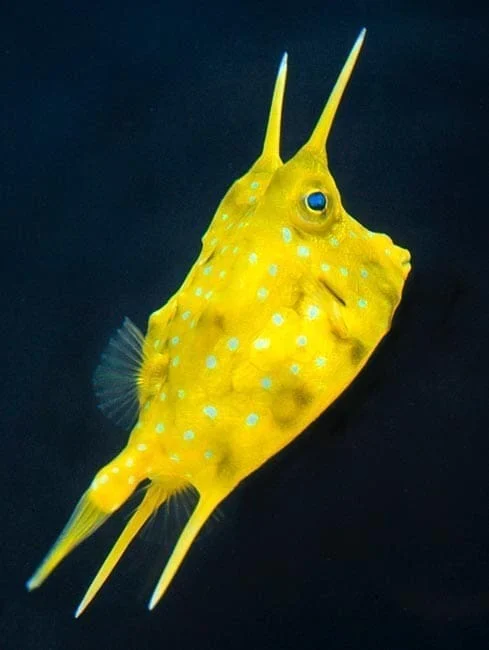
Long Horn Cowfish care begins before you even bring the fish home. The Long Horned Cowfish (Lactoria cornuta), also known as the Longhorn Cowfish or Horned Boxfish, is an extraordinary saltwater fish admired for its unusual body shape, distinctive horns, and engaging personality. This is an expert-level fish that demands planning, patient acclimation, and a stress-free environment—but the reward is a one-of-a-kind resident with genuine charm.
Fish care · Detailed tutorial · About 8 minutes · Beginner-friendly reading, expert setup required
The key habit: Avoid aggressive tank mates, sudden environmental changes, rough capture and unnecessary handling. A stressed Long Horn Cowfish can release a toxin lethal to itself and all other tank inhabitants.
In this guide:
- What to know before buying
- Tank size and shape
- Rockwork, flow and filtration
- Tank mates and temperament
- Feeding and diet
- Water parameters
- Acclimation: The critical first steps
- Signs of good health and stress
1. What to Know Before Buying
Learn how to keep the Long Horned Cowfish, an expert-level Indo-Pacific ostraciid, with guidance on large-tank housing, omnivore feeding, and toxin risk. Longhorn Cowfish can grow up to 20 inches (50 cm) in length in the wild, although in captivity, they typically reach around 12 inches (30 cm). They have a relatively long lifespan; they can live up to 10 years or more with proper care.
This species is not a true beginner fish. Cowfish are susceptible to typical marine illnesses like marine ich or bacterial infections, especially if water quality drops. Cowfish are sensitive to changes in water quality, and their long-term health relies heavily on clean, stable conditions. They also release toxins (ostracitoxin) when severely stressed or dying, which can harm or kill other tank mates—this makes high-quality life support systems and careful handling essential.
2. Tank Size and Shape
Needs at least 250 gallons as an adult. However, size alone is not enough; shape matters as much. A 75-gallon "tall" tank holds nominally enough water but does not give an adult cowfish enough horizontal turning radius to maneuver without bumping into glass or rock. Look for tanks that are at least 24 inches front-to-back and 60 inches long.
Housing must be planned around that adult size and an unhurried swimming style. A wide footprint is essential so the fish can make slow, deliberate turns without scraping its horns or body against structure. Avoid tall, narrow tanks.
3. Rockwork, Flow and Filtration
Tankmates and layout should never make it difficult for the cowfish to reach food. Arrange live rock to create grazing areas and hiding spots but leave ample open swimming space. Use smooth, rounded rock, not sharp edges or dense mazes that could trap or injure the fish.
Long Horned Cowfish are relatively weak swimmers and may struggle against powerful directional currents. Their slow swimming speed makes them highly vulnerable to being sucked into powerful wavemakers or overflows; all intakes MUST be shaded or screened. Use gentle, moderate water flow and screen all pump intakes and return lines without exception.
The Long Horned Cowfish requires a spacious, mature saltwater aquarium with extensive open swimming areas, gentle water circulation, and carefully arranged rockwork. Strong biological filtration, efficient protein skimming, and excellent oxygenation are important for maintaining stable water conditions.
4. Tank Mates and Temperament
Long Horned Cowfish are peaceful toward most tankmates but move slowly and deliberately, often hovering while sculling with the pectoral fins. However, this peaceful nature masks a vulnerability. Suitable companions are calm, slow-feeding fishes; aggressive eaters, fin nippers, and any species inclined to harass a conspicuous, slow-moving target should be excluded.
Keep only one cowfish per aquarium. Never keep them with other Boxfish or Cowfish, as territorial disputes are likely and can lead to toxin release. The Longhorn Cowfish may consume ornamental shrimps, crabs, snails, worms, small molluscs and other mobile invertebrates.
5. Feeding and Diet
An omnivorous species that should be offered small meaty frozen foods such as Mysis shrimp, Spirulina enriched brineshrimp, chopped prawns/krill/mussel/cockle/squid etc as well as herbivore foods including marine algae. Adults can be fed twice daily, with the morning feeding focused on protein and the evening feeding heavier on algae sheets.
This is a deliberate, slow feeder that will lose out to aggressive or fast-moving tankmates, so watch every feeding and supplement with targeted portions if necessary. Target-feeding from a turkey baster or feeding stick becomes routine. Use a feeding stick to deliver food directly within reach. Avoid foods that float at the surface, since swallowing air while feeding can cause buoyancy problems.
6. Water Parameters
dKH: 8 – 12, pH: 8.1 – 8.4, Specific Gravity: 1.020-1.025, Temperature: 72 – 78° F
Stable water chemistry is essential for maintaining the Long Horned Cowfish in good health. Avoid sudden changes in temperature, salinity, or pH, particularly during acclimation. This species can be sensitive to environmental stress, making gradual adjustments and consistent water quality especially important. Longhorn Cowfish are more sensitive to ammonia spikes than many commonly kept marine fish, and even brief excursions in water quality can trigger the stress response that elevates toxin risk.
Nitrate should stay below 20 ppm. Ammonia and nitrite must be zero.
7. Acclimation: The Critical First Steps
Gather before you start:
- Clean bucket (never used for anything but aquarium work)
- Airline tubing
- Small clip or knot to adjust flow
- Specimen container or soft fish trap
- Fish food ready for the tank
- Lights in the acclimation area (if used) dimmed or off
- Quarantine tank running (optional but highly recommended)
A 4 to 6 week quarantine in a separate 40-plus gallon tank is mandatory before introduction to a display. Even if you skip quarantine (not advised), follow this acclimation procedure:
1. Equalize temperature: Float the bag for 15 minutes to equalize temperature, then transfer the fish and bag water to a clean bucket and start a slow drip from the quarantine tank using airline tubing tied off in a loose knot.
2. Drip acclimate slowly: Aim for 2 to 4 drips per second, stretching acclimation across 60 to 90 minutes.
3. Never pour bag water: Never pour bag water into your quarantine tank. Net or scoop the cowfish gently into a container of clean tank water and discard the original water.
4. Keep lights low: Lights off in the quarantine tank for the first 24 hours; let the fish find a quiet corner before any feeding attempt. Lighting should be turned on gradually as this species is easily startled.
5. Avoid netting: The mesh of an aquarium net can damage the fish's skin and trigger a stress response. Use a soft specimen container instead.
8. Signs of Good Health and Stress
| What you notice | What to check next |
|---|---|
| Fish hovering gently, sculling with small fins | Normal behavior; keep water stable and don't disturb |
| Bright yellow or cream color with clear blue spots | Good health; maintained stable conditions |
| Slow approach to food, hesitant feeding | Early sign of stress; check water parameters and tank mates |
| Dark or muted coloration | A cowfish displaying darker or muted tones is often stressed, unwell, or responding to a perceived threat. Investigate immediately |
| Rapid breathing or erratic swimming | Monitor your Cowfish closely for signs of stress, such as rapid breathing, loss of colour, or erratic swimming. Check all parameters; isolate from aggressive tankmates |
| Recognizes you, spits water at feeding time | Excellent sign; fish is settled and comfortable; maintain current care |
Your care log
Tank size: ______ gallons Tank mates: ______
Acclimation start: ______ Acclimation end: ______
First feeding: ______ Food offered: ______
Light intensity: ______ Placed in display tank: ______
Weekly water change: ______ % Feeding schedule: ______ times daily
Water parameter check date: ______ Temperature: ______°F
Sources
Checked November 2, 2026.
1. Top Shelf Aquatics, "Long Horned Cowfish Care Guide"
2. Fishkeeper, "Long Horn Cowfish – Lactoria cornuta"
3. Fish Stores, "Longhorn Cowfish Care: Tank Size, Diet & Toxin Risks"
4. Saltwater Fish, "Longhorn Cowfish – Miscellaneous Unique Marine Life"
5. Aqua Group, "Long Horn Cowfish – Lactoria cornuta"
6. Studio Scaped, "Long-horn Cowfish: Lactoria cornuta Care Guide"
7. Reeflings, "Longhorn Cowfish (Lactoria cornuta)"
8. Live Aquaria, "Longhorn Cowfish: Saltwater Aquarium Fish"
9. iReef, "How to Care for Cowfish – Long Horn"
10. Salt Corner, "Lactoria cornuta (Longhorn Cowfish)"
11. Hyger Online, "Exploring More Charm of the Longhorn Cowfish"