

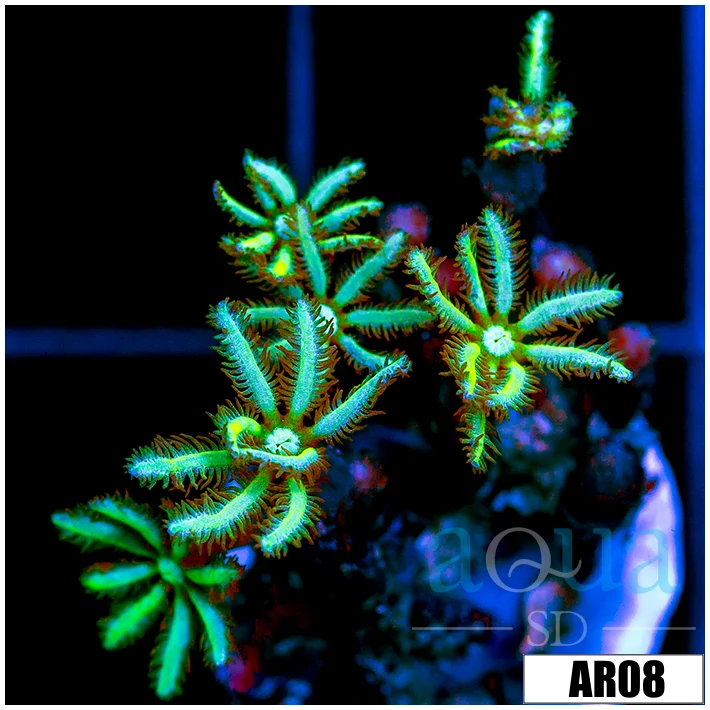
Nuclear Pipe Organ
$49.99
Out of stock
- Packed to order with heat or cold packs for the season
- Eating and settled in our systems before it ships
- Questions? Ask a reef keeper
Share
About this coral
Nuclear Pipe Organ – Vibrant Pipe Organ Soft Coral for Reef Aquariums
About This Coral
Add vibrant color, delicate movement, and fascinating natural structure to your saltwater aquarium with the Nuclear Pipe Organ, an eye-catching variety of Pipe Organ Coral known for its distinctive flower-like polyps and unique tubular skeleton.
Pipe Organ Corals belong to the genus Tubipora, commonly identified in the aquarium trade as Tubipora musica. Although they produce a rigid calcium carbonate skeleton, these fascinating marine invertebrates are classified as octocorals, making them relatives of soft corals rather than traditional large-polyp stony (LPS) corals.
The Nuclear Pipe Organ is offered by Aqua SD as a named collector variety. Its trade name distinguishes it from more commonly available Pipe Organ Corals, although the exact color pattern and intensity should be confirmed against the individual specimen.
When the coral’s polyps are fully extended, they create an attractive, flower-like display with delicate, feathery tentacles. Their gentle movement adds texture and visual interest to established reef aquariums.
One of the most fascinating characteristics of Pipe Organ Corals is their underlying skeleton. Instead of forming a solid branching or rounded structure, the coral produces numerous closely arranged, red-colored calcareous tubes connected by horizontal structures.
When the polyps are retracted, this unusual pipe-like skeleton becomes more visible, giving the coral its common name.
The Nuclear Pipe Organ is particularly appealing to hobbyists who enjoy unusual octocorals, colorful mixed reef displays, and species with distinctive skeletal formations.
With moderate-to-strong lighting, suitable water circulation, stable chemistry, and appropriate nutrition, this coral can become a beautiful addition to a mature reef aquarium.
This product is a live Pipe Organ Coral. Individual coloration, colony size, polyp extension, and appearance may vary.
Features
- Nuclear Pipe Organ trade variety offers a distinctive addition to a coral collection.
- Tubipora-type octocoral with a characteristic red calcareous skeleton.
- Flower-like polyps create a soft, feathery appearance when fully extended.
- Eight feathery tentacles per polyp characteristic of octocorals.
- Gentle natural movement adds texture and visual interest to underwater displays.
- Moderate-to-high lighting requirements for properly equipped reef aquariums.
- Moderate, variable water flow helps keep the colony free of accumulated debris.
- Photosynthetic nutrition supported by symbiotic algae.
- Supplemental plankton feeding may help support colony health.
- Relatively peaceful temperament compared with many aggressive stony corals.
- Unique tubular skeletal structure distinguishes Pipe Organ Corals from many other reef species.
- Suitable for established mixed reef aquariums with thoughtful placement.
- Interesting collector coral for hobbyists who appreciate unusual soft coral relatives.
- Gradual colony development under suitable aquarium conditions.
- Beautiful display potential when the polyps are fully extended.
Specifications
| Specification | Details |
|---|---|
| Product Name | Nuclear Pipe Organ |
| Common Name | Pipe Organ Coral / Organ Pipe Coral |
| Scientific Identification | Tubipora sp., commonly Tubipora musica |
| Coral Group | Octocoral |
| Family | Tubiporidae |
| Trade Variety | Nuclear |
| Coral Type | Calcifying Soft Coral Relative |
| Care Level | Moderate |
| Lighting | Moderate to High |
| Suggested Starting PAR | Approximately 100–150 |
| Typical Target PAR | Approximately 100–200, Depending on Acclimation |
| Water Flow | Moderate, Indirect and Variable |
| Placement | Middle Reef / Stable Rockwork |
| Temperament | Generally Peaceful |
| Feeding | Photosynthetic; Supplemental Plankton Foods Optional |
| Growth Form | Colonial Polyps With Red Tubular Calcareous Skeleton |
| Growth Rate | Generally Slow to Moderate |
| Aquarium Type | Established Saltwater Reef Aquarium |
| Specimen Color | Confirm Against Actual Product Photograph |
| Colony Size | Varies by Available Specimen |
| WYSIWYG Status | Confirm Against Current Inventory |
| WooCommerce Category | Live Goods > Corals > Soft Corals |
Recommended Water Parameters
| Parameter | Recommended Range |
|---|---|
| Temperature | 75–78°F (24–26°C) |
| Salinity | 1.024–1.026 Specific Gravity |
| pH | 8.1–8.4 |
| Alkalinity | 8–10 dKH |
| Calcium | 400–450 ppm |
| Magnesium | 1250–1400 ppm |
| Nitrate | Approximately 2–15 ppm |
| Phosphate | Approximately 0.03–0.10 ppm |
| Lighting | Approximately 100–200 PAR After Acclimation |
| Water Movement | Moderate, Variable and Indirect |
| Aquarium Maturity | Established, Stable Reef System |
These values are general Pipe Organ Coral husbandry guidelines, not verified holding conditions for the Nuclear variety. Stable water parameters and gradual acclimation are more important than achieving a single exact measurement.
Lighting Requirements
The Nuclear Pipe Organ generally benefits from moderate-to-high reef aquarium lighting.
A range of approximately 100–200 PAR is suitable for many Pipe Organ Corals, although individual specimens may require adjustments depending on their previous environment.
A newly introduced colony should begin toward the lower end of the lighting range until it has adjusted to the aquarium.
Lighting Recommendations
- Use quality reef aquarium lighting with an appropriate spectrum.
- Begin newly received specimens under moderate or reduced lighting.
- Increase intensity gradually over one to two weeks or longer if needed.
- Avoid sudden changes to photoperiod or intensity.
- Observe normal polyp expansion and coloration.
- Reduce lighting if bleaching or prolonged polyp retraction develops.
The exact coloration of the Nuclear variety depends on the specimen and lighting conditions.
Water Flow Requirements
Pipe Organ Corals generally prefer moderate, variable water circulation.
Appropriate flow is particularly important because their closely arranged tubular skeletons can trap detritus and provide surfaces where algae may grow.
Good circulation helps remove debris and supports healthy polyp extension.
Ideal Water Movement
- Moderate, alternating or variable circulation.
- Enough flow to keep debris from settling between the polyps.
- Gentle movement of the extended tentacles.
- No concentrated, high-pressure water jet.
- Adequate circulation around all sides of the colony.
Avoid directing a powerful wavemaker straight at the coral.
Excessive flow may prevent polyp expansion or damage delicate tissue.
Feeding and Nutrition
The Nuclear Pipe Organ is photosynthetic and obtains a substantial portion of its energy from symbiotic algae living within its polyps.
However, Pipe Organ Corals may also capture fine suspended food particles from the water column.
Supplemental feeding can be helpful in aquariums with limited natural plankton availability.
Suitable Foods
- Phytoplankton-based coral foods
- Fine zooplankton preparations
- Appropriate microplankton products
- Specialized filter-feeder foods
- Other finely suspended marine coral foods
Recommended Feeding Schedule
Offer modest amounts of appropriately sized planktonic food approximately once or twice per week, if desired.
Distribute food gently into the aquarium’s water column rather than forcing large particles onto the coral.
Maintain enough water movement to carry suspended particles past the extended polyps.
Avoid excessive feeding, which can increase nutrient levels and contribute to unwanted algae growth.
Placement and Coral Compatibility
Ideal Placement
The Nuclear Pipe Organ is generally well suited to middle rockwork in an established reef aquarium.
Choose a location providing:
- Moderate-to-high lighting
- Moderate, variable water movement
- A secure mounting surface
- Room for colony expansion
- Access to circulation around the skeleton
- Separation from aggressive neighboring corals
Avoid locations where detritus routinely accumulates.
Mixed Reef Compatibility
Pipe Organ Corals are generally considered peaceful and do not possess the long sweeper tentacles associated with many aggressive LPS corals.
However, they can still be damaged through direct contact with neighboring species.
Maintain adequate clearance from Torch Corals, Galaxea, aggressive brain corals, and other organisms capable of stinging or overgrowing the colony.
Algae Control
Algae growth is a particular concern for Pipe Organ Corals because algae may establish itself on exposed sections of the red tubular skeleton.
Maintaining appropriate water movement, balanced nutrients, and routine observation can help reduce this risk.
Avoid scraping or brushing living coral tissue while removing algae.
Growth and Colony Development
Under favorable conditions, the Nuclear Pipe Organ may gradually produce new polyps and expand its colony.
Its distinctive skeletal structure develops through the formation of new calcareous tubes and connecting structures.
Growth depends on:
- Stable alkalinity and calcium
- Appropriate reef aquarium lighting
- Consistent water circulation
- Balanced nutrient availability
- Suitable trace element levels
- Healthy polyp expansion
- Prevention of excessive algae growth
The red skeleton is relatively delicate and should be handled carefully to avoid breakage.
Acclimation and Introduction Instructions
- Inspect the shipment: Examine the coral and shipping container immediately upon arrival.
- Verify aquarium parameters: Confirm stable temperature, salinity, alkalinity, and other important water conditions.
- Equalize temperature: Gradually bring the sealed shipping container toward the aquarium’s temperature.
- Follow appropriate acclimation procedures: Avoid prolonged exposure to opened shipping water.
- Inspect for pests: Examine the coral skeleton and mounting base for unwanted organisms and nuisance algae.
- Use a coral dip only when appropriate: Confirm compatibility with Pipe Organ Corals and follow the manufacturer’s directions.
- Quarantine when possible: Observe the colony separately before introducing it into an established reef aquarium.
- Choose a stable location: Position the coral where it receives moderate lighting and indirect, variable circulation.
- Handle carefully: Support the colony by its base rather than squeezing or crushing its delicate tubular skeleton.
- Allow recovery time: Polyps may remain retracted after shipping and handling.
- Monitor regularly: Watch for normal polyp expansion, healthy tissue, and algae growth on exposed skeletal areas.
Never pour coral dip or shipping water directly into the display aquarium.
Signs of a Healthy Pipe Organ Coral
Healthy Pipe Organ Corals commonly display:
- Regular extension of feathery polyps
- Consistent coloration appropriate to the individual specimen
- Living tissue associated with intact tubular skeletons
- Gradual development of new polyps
- Minimal accumulation of debris between skeletal structures
- Limited unwanted algae growth on exposed skeletal surfaces
Temporary polyp retraction after shipping can be normal.
However, persistent closure, progressive tissue loss, excessive algae growth, or damage spreading through the colony may indicate unsuitable environmental conditions.
Important Product Information
The Nuclear Pipe Organ is a live marine octocoral intended for established saltwater reef aquariums.
Nuclear is an aquarium-trade designation rather than a separate scientifically recognized species.
Aqua SD lists multiple specimens under the name Nuclear Pipe Organ.
The exact species-level identification, coloration, dimensions, and polyp count have not been independently verified for your available inventory.
Unless a particular specimen is identified as WYSIWYG (What You See Is What You Get), photographs should be considered representative examples.
Pipe Organ Corals possess a calcium carbonate skeleton despite their classification among octocorals. Appropriate alkalinity and calcium levels therefore remain important.
The skeleton can be fragile, so careful handling is essential.
This coral is intended for saltwater aquariums and is not suitable for freshwater systems.
Availability and Pricing
We ship daily, contact us for availability and price.
Recommended Application
The Nuclear Pipe Organ is an excellent addition to established mixed reef aquariums, soft coral collections, and displays featuring unusual marine octocorals.
With its delicate feathery polyps, distinctive red tubular skeleton, natural movement, and fascinating growth structure, this coral provides a beautiful combination of texture and visual interest for reef aquarium enthusiasts.
You might also like
-
SoldLive
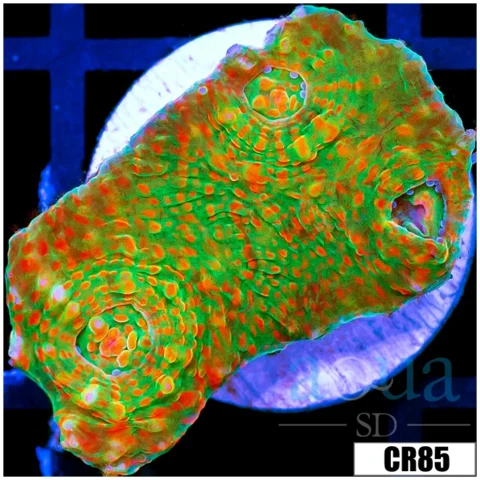 Chalice Corals
Lime Chameleon Chalice
$24.99 -
SoldLive
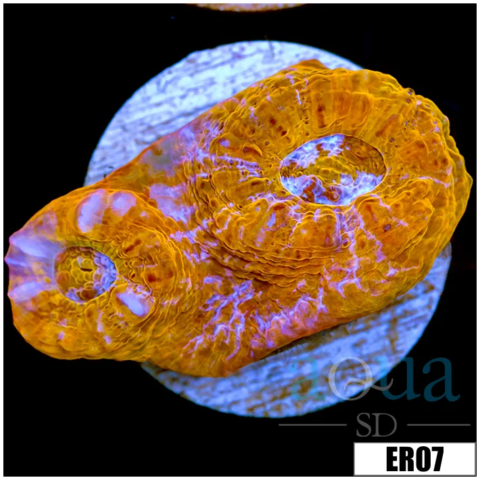 Chalice Corals
Pink Lemonade Chalice
Price range: $479.99 through $599.99With code BF75: $50.00Code applies automatically at checkout This product has multiple variants. The options may be chosen on the product page -
Live
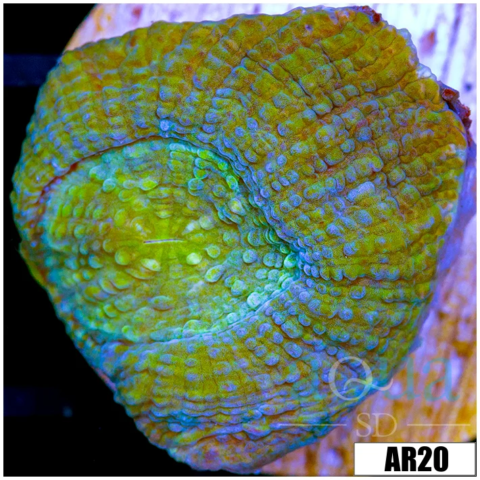 Chalice Corals
Boogie Down Chalice
Price range: $24.99 through $64.99With code FALL70: $15.00Code applies automatically at checkout Choose size This product has multiple variants. The options may be chosen on the product page -
SoldLive
 Torch, Hammer & Frogspawn
Aussie Mermaid Branching Hammer
$119.99With code FALL70: $36.00Code applies automatically at checkout