

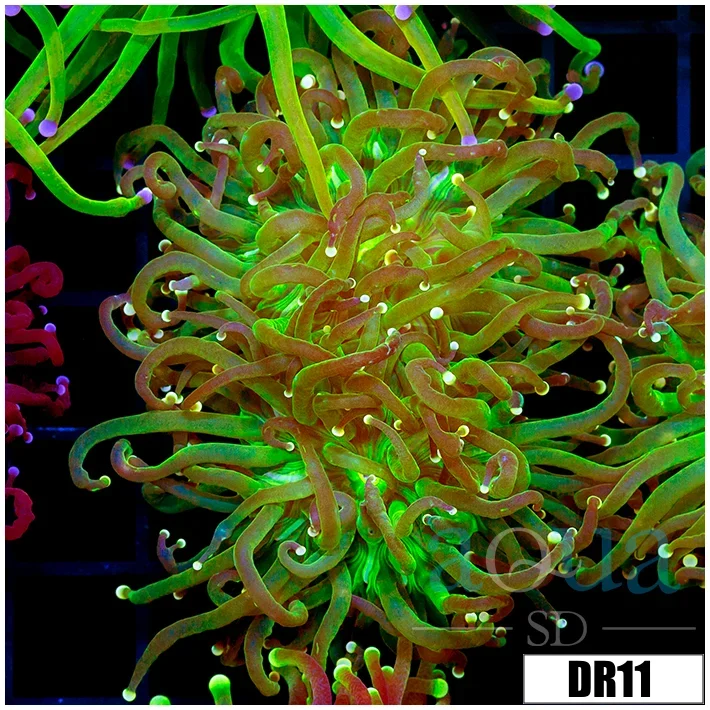
Cotton Candy Torch
Price range: $329.99 through $351.99With code SPOOKY70: $96.00Code applies automatically at checkout
Tag: DR11
- Packed to order with heat or cold packs for the season
- Eating and settled in our systems before it ships
- Questions? Ask a reef keeper
Share
About this coral
About this coral
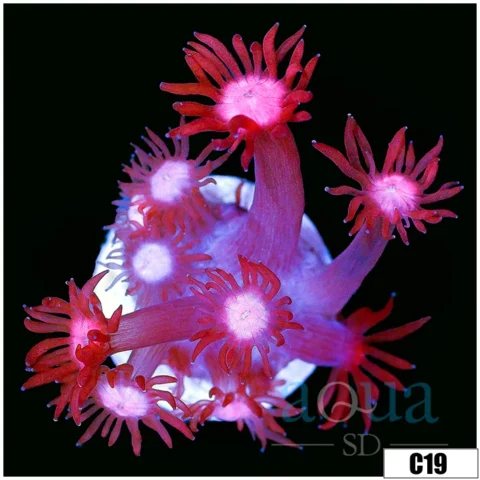
Cotton Candy Torch. A colorful variety of Euphyllia glabrescens, a large-polyp stony coral prized for its long, flowing tentacles. Commonly sold specimens feature bright green tentacles with contrasting pink or blue tips, creating a striking display as they sway in the current. “Cotton Candy” is a trade name, so coloration varies between suppliers and individual colonies.tidalgardens+1
This coral thrives with moderate lighting, moderate indirect flow, and stable reef aquarium conditions. Its tentacles can sting neighboring corals, making adequate space an important part of placement. Avoid direct, forceful currents that can damage its delicate tissue.topshelfaquatics+1
Features:
-
Long, fleshy tentacles add movement to reef displays
-
Commonly features green coloration with pink or blue tips
-
Large-polyp stony coral with a hard skeletal structure
-
Photosynthetic, with supplemental feeding opportunities
-
Suitable for established reef aquariums with stable conditions
-
Requires separation from neighboring corals due to its stingtidalgardens+2
Specifications:
-
Common name: Cotton Candy Torch
-
Scientific name: Euphyllia glabrescens
-
Coral type: Large-polyp stony coral (LPS)
-
Care level: Moderate
-
Lighting: Moderate; acclimate gradually to the aquarium’s lighting
-
Water flow: Moderate, indirect
-
Placement: Lower to middle areas with sufficient room for tentacle extension
-
Temperament: Aggressive toward nearby corals
-
Nutrition: Photosynthesis and supplemental small, meaty foods
-
Frag size / head count: Not specifiedtopshelfaquatics+1
Care guidelines:
-
Temperature: 75–80°F
-
Specific gravity: 1.024–1.026
-
pH: 8.1–8.4
-
Calcium: 400–450 ppm
-
Alkalinity: 8–9.5 dKH
-
Magnesium: 1,300–1,500 ppm
Occasional target feeding with appropriately sized foods such as mysis shrimp can supplement the nutrition supplied by its symbiotic algae. Allow space beyond its fully extended tentacles and monitor for contact with neighboring corals.topshelfaquatics+1
Confirm the actual specimen’s coloration, head count, and whether it is aquacultured with the supplier; the trade name alone does not establish these details.
You might also like
-
SoldLive
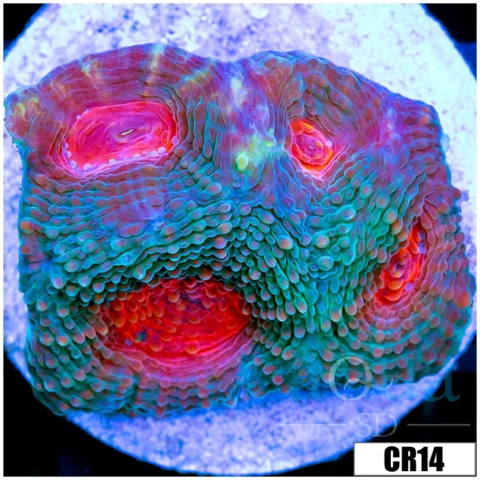 Acans
Cupid Enchinata
$24.99With code SPOOKY70: $7.50Code applies automatically at checkout -
SoldLive
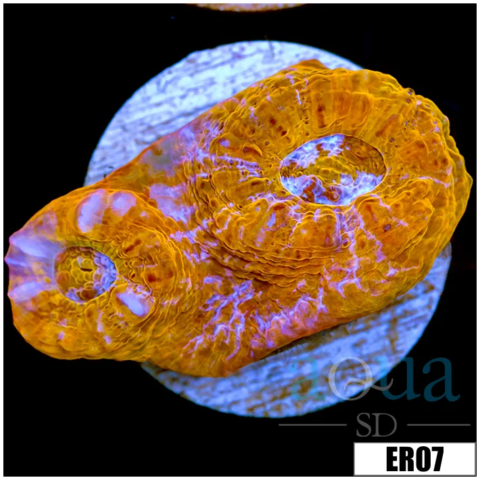 Chalice Corals
Pink Lemonade Chalice
Price range: $479.99 through $599.99With code BF75: $50.00Code applies automatically at checkout This product has multiple variants. The options may be chosen on the product page -
Live
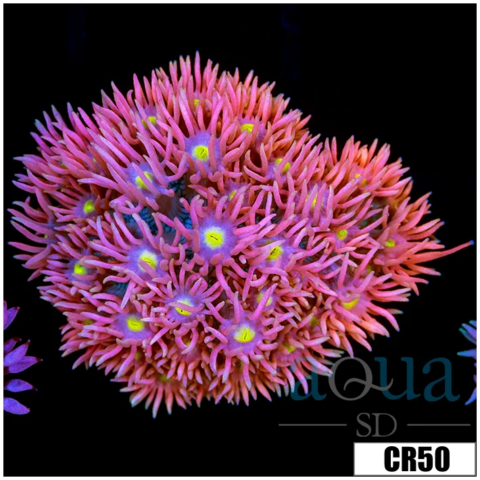 Goniopora & Alveopora
Ultra Barbie Goni
Price range: $149.99 through $199.99With code BF75: $50.00Code applies automatically at checkout Choose size This product has multiple variants. The options may be chosen on the product page -
SoldLive
 Goniopora & Alveopora
Cherry Blossom Goni
Original price was: $119.99.$52.50Current price is: $52.50.With code FALL70: $36.00Code applies automatically at checkout