

Indo Cultured Symphyllia Care: Light, Flow and Feeding
Learn how to keep an Indo Cultured Symphyllia healthy by providing stable water, moderate indirect lighting, and gentle feeding in your reef tank.
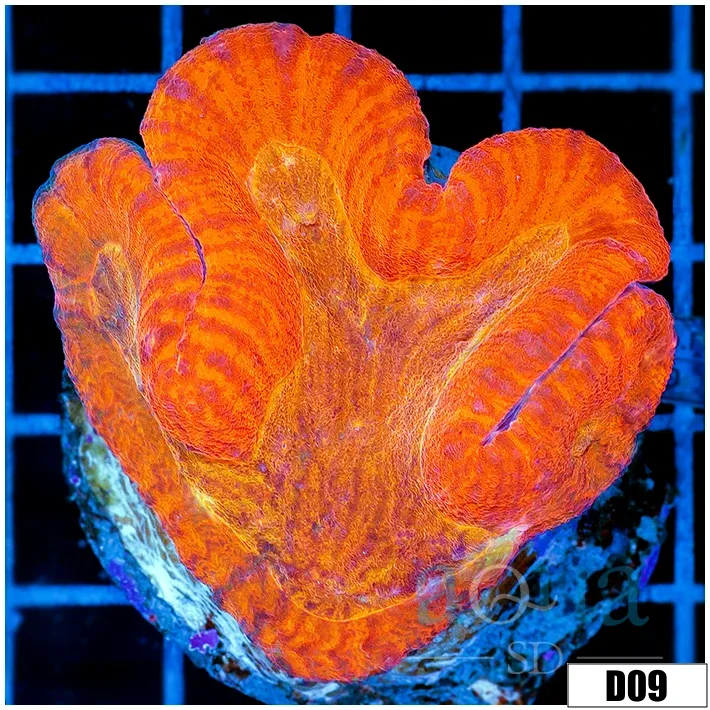
Indo Cultured Symphyllia Care: Light, Flow and Feeding
Symphyllia coral care focuses on one goal: keeping conditions stable. Stable water chemistry is one of the most important parts of Symphyllia coral care, and this cultured specimen rewards that effort with incredible polyp expansion and vibrant color.
Coral care · Detailed tutorial · About 10 minutes · Beginner friendly
The key habit: The biggest tip for growing healthy Symphyllia is getting your parameters right and keeping them stable. Symphyllia do not like changes in Alkalinity, Calcium & Magnesium.
Shop the Indo Cultured Symphyllia
In this guide
- What Symphyllia is and where it comes from
- Lighting for Symphyllia coral
- Water flow and placement
- Feeding your Symphyllia
- Water parameters and stability
- Acclimation and dipping
- Signs of a healthy Symphyllia
1. What Symphyllia Is and Where It Comes From
Symphyllia corals are mixotrophic, relying on their zooxanthellae for energy as well as capturing plankton and organic particles from the water, with polyps extending their tentacles to feed primarily during the night. Open Brains are a brilliant, relatively easy LPS (large polyp stony) coral to care for, making them ideal for hobbyists moving into larger polyp corals. Unlike wild-collected specimens, your cultured Symphyllia was raised in Indo-Pacific farms, giving it better acclimation prospects and reducing environmental impact.
2. Lighting for Symphyllia Coral
Symphyllia corals typically do best in 50-120 PAR, with moderate to lower lighting helping to maintain vibrant coloration, and too much light causing bleaching or tissue stress. Symphyllia are collected from deep water so it is really important not to light shock them when placing them in your aquarium; put them initially in a shady spot and slowly move them to a high intensity lighting over a period of weeks or months.
The best approach is to place your Symphyllia conservatively at first and watch for its response over time. Over-lit Symphyllia pales and loses its pigmentation, so adjust fixture height or dim the white channel first if you suspect excessive intensity.
3. Water Flow and Placement
Symphyllia prefer shadier spots and moderate flow. Low to moderate, indirect flow is ideal, with flow that gently moves water across the coral without direct force, as strong flow can damage fleshy tissue and reduce expansion, while gentle flow supports healthy inflation and feeding response.
Give 10-15 cm clearance from other corals because sweeper tentacles extend a surprising distance after dark. Symphyllia are commonly placed on sand or lower rockwork where they can expand safely.
4. Feeding Your Symphyllia
Symphyllia is photosynthetic and gets much of its energy from zooxanthellae, but it can also benefit from supplemental feeding, with regular light feeding often helping to support tissue fullness and overall condition. Feed meaty foods such as mysis shrimp, brine shrimp, or chopped seafood, with target feeding once or twice per week typically sufficient, ensuring food is fully captured to maintain water quality.
Target feeding is the single biggest growth lever, with short feeding tentacles emerging along every ridge after lights dim. Turn off your powerheads for a few minutes during feeding so the coral can capture and consume the food.
5. Water Parameters and Stability
LPS corals generally perform best in stable reef tanks with parameters: Temperature 76-78°F, Salinity 1.025, pH 8.1-8.4, Alkalinity 8-10 dKH, Calcium 400-450 ppm, Magnesium 1250-1350 ppm, Nitrate low to moderate, and Phosphate low but not stripped too aggressively. Stability matters more than making constant adjustments.
Rapid alkalinity, salinity, or temperature changes can cause polyp deflation and recession, so verify SG is 35 ppt, calibrate tools, and adjust dosing to limit alkalinity shifts to under 0.2 dKH per day. Test your water regularly—at least three to four times per week in growing tanks—and make small, gradual corrections.
6. Acclimation and Dipping
Gather before you start
- Aquarium thermometer
- Bucket (1 to 2 gallons)
- Airline tubing or siphon
- Tank water (1 to 2 gallons)
- Coral dip (Coral RX or similar)
- Clean container for rinsing
- Aquarium specimen container or quarantine chamber (optional)
1. Float the coral for temperature acclimation. Start by floating the bag for 10-15 minutes to adjust temperature.
2. Prepare your dip containers. Prepare 2 appropriate containers with aquarium water for dipping your new coral—one will be for the dip, the other will be for rinsing off the coral dip.
3. Dip the coral in pest-control solution. Submerge the coral in the solution for the recommended duration (usually 5-10 minutes). Use a turkey baster or pipette to gently move dip water around the coral and help dislodge pests.
4. Rinse thoroughly. Rinse the coral gently in fresh aquarium water after the dip to remove any remaining chemicals.
5. Place in a quarantine chamber or directly into the display. Once acclimated, carefully place the coral into a suitable location within your tank that offers appropriate flow and lower lighting, as the coral will need a few days to adjust to the lighting in your display tank.
A newly added Symphyllia may take time to fully inflate. Don't be alarmed if it stays slightly withdrawn for the first few days; this is normal.
7. Signs of a Healthy Symphyllia
| What you notice | What to check next |
|---|---|
| Full, inflated polyps with vibrant color | Coral is happy; observe feeding response over time |
| Pale or faded color over days | Check light intensity and reduce if needed |
| Polyps staying withdrawn or closed | Verify water parameters (especially alkalinity) and check for excessive flow |
| Polyps fully extended at night with feeding tentacles | Coral is thriving; stable conditions are working |
| White patches or tissue sloughing within 24 hours | Check for over-dipping; coral may need time to recover in stable, lower-light conditions |
| Spreading recession at the base or edges | Test alkalinity, calcium, and magnesium; check for flow damage from sharp rock |
Your care log
Placed on: ______ Initial light (PAR): ______ Water temperature: ______
Acclimated on: ______ First feeding: ______ Feeding frequency: ______
Date parameters checked: ______ Alkalinity (dKH): ______ Calcium (ppm): ______ Magnesium (ppm): ______
Notes: ________________________________________________________________________
Sources
Checked November 11, 2026.
1. Charterhouse Aquatics, "Symphyllia Care Guide"
2. Extreme Corals, "Symphyllia Care Guide"
3. Extreme Corals, "Symphyllia Coral Care Guide: How to Keep Closed Brain and Meat Corals Healthy"
4. Gensou Premium Aquascaping, "Symphyllia Brain Coral Care Guide: Closed Brain LPS"
5. Aquatic Collection, "AQC Sunrise Symphyllia"
6. Reeflings, "Sinuous cup coral (Symphyllia recta)"
7. Extreme Corals, "Symphyllia Coral Care Guide: Lighting, Feeding, Flow and Long-Term Health"
8. Aquarium Breeder, "What are LPS and SPS Corals?"
9. Charterhouse Aquatics, "Hard Corals Explained: The Complete Guide to SPS & LPS Corals"
10. Reef Tank Resource, "LPS Corals – Types & Care (Beginner Guide)"
11. Reef Coaquariums, "LPS Coral Care Guide For Beginners"
13. Southwest Reef Company, "Handling and Acclimation"
14. Reef Builders, "How and Why to Dip Newly Acquired Corals"
15. Extreme Corals, "LPS Coral Care Guide (Best LPS Corals, Lighting, Flow, Feeding and Placement)"
17. My Reef Log, "LPS Corals Care Guide for Reef Tanks"
18. Manta Systems, "LPS Corals Guide: Identification, Care & Reef Tips"
19. Sunnyside Corals, "Beginner's Guide to LPS Coral: Everything You Need to Know"