

Feeding Your Saltwater Invertebrates
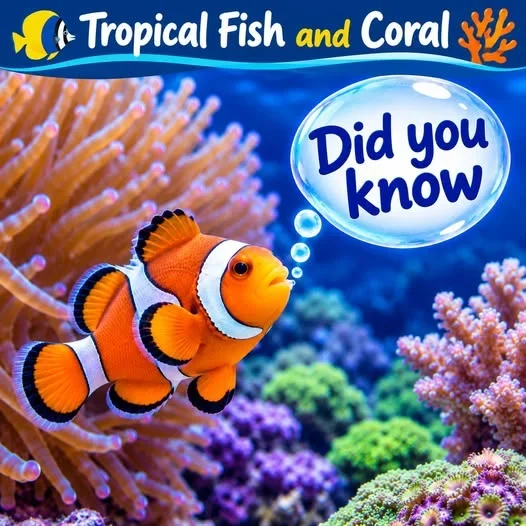
🐠 **DID YOU KNOW? 🌊**
🦀 Feeding Your Saltwater Invertebrates: What You Need to Know!
Did you know that many saltwater invertebrates have specialized feeding requirements? While some are excellent scavengers, others depend on plankton, microscopic organisms, algae, or meaty foods to survive and thrive.
One of the biggest mistakes in saltwater aquariums is assuming that invertebrates get all the nutrition they need from leftover fish food. Although some do find food naturally in an established aquarium, many require supplemental feeding.
🪸 HERE ARE SOME COMMON SALTWATER INVERTEBRATES AND WHAT THEY EAT:
1. Cleaner Shrimp and Other Marine Shrimp
- Feed on small meaty foods, including mysis shrimp, brine shrimp, and finely chopped seafood.
- They will also scavenge leftover fish food and organic material.
- In a community aquarium, they may find some food naturally, but supplemental feeding helps ensure they receive adequate nutrition.
2. Hermit Crabs
- Many hermit crabs are omnivorous scavengers.
- They consume algae, detritus, leftover fish food, and small pieces of meaty foods.
- Their diet should be varied rather than relying entirely on aquarium leftovers.
3. Starfish
- Different starfish species have very different dietary requirements.
- Sand-sifting stars consume small organisms and organic material found in the sand.
- Some sea stars feed on clams, mussels, or other invertebrates.
- Many starfish slowly starve in aquariums when their specific dietary requirements are not met.
4. Feather Duster Worms
- These beautiful filter feeders use their feather-like crowns to capture tiny suspended food particles.
- They benefit from appropriately sized planktonic foods and suspended particulate foods.
- They generally cannot survive long-term on leftover fish food alone.
5. Sea Cucumbers
- Many species are deposit feeders that consume organic material and microorganisms found in aquarium sand.
- Other species are suspension feeders that capture particles from the water.
- Their feeding requirements depend heavily on the species.
6. Corals
- Corals receive energy through photosynthesis when they contain symbiotic algae called zooxanthellae.
- However, many corals also capture plankton and other suspended food particles.
- Depending on the coral species, supplemental foods may include phytoplankton, zooplankton, and appropriately sized prepared coral foods.
🐠 5 IMPORTANT REEF-KEEPING FEEDING TIPS
- Know Your Species: Research the natural diet of each invertebrate before adding it to your aquarium.
- Offer Variety: Appropriate foods can include mysis shrimp, enriched brine shrimp, phytoplankton, zooplankton, and specialized invertebrate foods.
- Target Feed When Appropriate: Use a feeding pipette or turkey baster to deliver food near animals that benefit from targeted feeding.
- Watch Your Water Quality: Uneaten food breaks down and can increase ammonia, nitrate, and phosphate levels.
- Don't Overfeed: Small, appropriate feedings are generally better than adding large amounts of food to the aquarium.
💡 DID YOU KNOW?
A saltwater aquarium can look perfectly healthy while some of its invertebrates are slowly starving. Proper identification and feeding are essential to keeping these fascinating animals healthy.
🪸 Remember: A thriving reef aquarium requires more than feeding your fish. Your invertebrates need attention and proper nutrition, too!
🌐 Visit Tropical Fish and Coral for your saltwater aquarium supplies.
#DidYouKnow #SaltwaterInvertebrates #ReefAquarium #MarineLife #CoralFeeding #AquariumCare #ReefKeeping #SaltwaterAquarium #TropicalFishAndCoral