

Candy Stripe Pistol Shrimp Care: Tank Setup, Feeding and Acclimation
You will learn how to set up a tank, feed, and properly acclimate a Candy Stripe Pistol Shrimp so it stays healthy and thrives in your reef or fish-only aquarium.
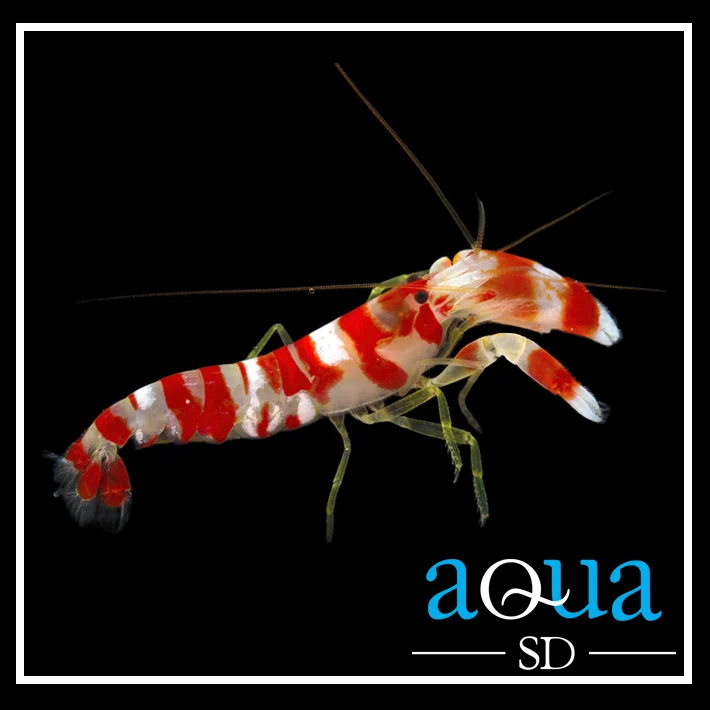
Candy Stripe Pistol Shrimp Care: Tank Setup, Feeding and Acclimation
Candy Stripe Pistol Shrimp care requires a peaceful, stable tank environment where this peaceful shrimp can form symbiotic relationships with gobies or burrow peacefully on its own, using its large claw to make a loud cracking noise. With the right conditions, this colorful invertebrate becomes an active, entertaining addition to your reef.
Invertebrate care · Detailed tutorial · About 8 minutes · Beginner friendly
The key habit: Pistol shrimp are sensitive to water parameter swings, especially around molting, so maintain stable conditions and feed carefully to avoid overfeeding.
Shop the Candy Stripe Pistol Shrimp
In this guide
- What it is and where it comes from
- Tank size, substrate and décor
- Reef compatibility and tank mates
- Water parameters and stability
- Feeding your pistol shrimp
- Acclimation with the drip method
- Molting and signs of health
1. What It Is and Where It Comes From
The Candy Stripe Pistol Shrimp belongs to genus Alpheus and is known for its bold red and white striped pattern. Its name comes from the loud cracking noise made by its large claw. The shrimp often shares a burrow with one of the Gobies of the genera Amblyeleotris or Stonogobiops; the shrimp benefits from the goby's eyesight which gives it advance warning of predators, and they often share food. These shrimp are native to the Indo-Pacific.
2. Tank Size, Substrate and Décor
Candy Stripe Pistol Shrimp do best in mature aquariums with stable water quality and a sand bed deep enough for burrow construction. Most sources recommend a tank size of 30 gallons or more because they require at least 4 inches of substrate; some keepers maintain smaller specimens in 10 gallons for a bare-bones setup, but larger is better. Sand is acceptable, but crushed coral is better because it is easier for the shrimp to burrow horizontally through the rougher material.
Candy Cane Pistol Shrimp will dig under rocks and may move sand while building tunnels. They thrive in environments with sand, rock caves, and areas of lower light, and will hang out in the lower portion of the tank near rocks or ledges to keep out of direct light. Secure your rockwork well to prevent collapse during burrowing.
3. Reef Compatibility and Tank Mates
Candy Cane Pistol Shrimp are considered reef safe and are excellent candidates for peaceful reef aquariums. Pistol shrimp don't eat coral tissue, sponges, or zoanthids, and they won't touch sessile invertebrates. However, they should be kept with care in aquariums containing very small ornamental shrimp or delicate bottom-dwelling invertebrates.
Pistol shrimp may attack and hurt other shrimps, especially ornamental shrimp, so do not keep them in the same aquarium. They are best kept with compatible shrimp gobies, but they can also be kept alone. Suitable companions include small gobies, clownfish, blennies, and certain species of reef-safe wrasses and tangs.
4. Water Parameters and Stability
Hold stable reef parameters: temperature 72 to 78°F, pH 8.1 to 8.4, salinity 1.023 to 1.025. Calcium should be 400–450 ppm and magnesium 1250–1350 ppm. Nitrates and copper in any form in your marine aquarium may prove lethal for pistol shrimp. Avoid using copper-based medications and water treatments, as copper is highly dangerous to invertebrates.
Pistol shrimp don't need anything exotic, but they are sensitive to swings, especially around molting. Check parameters regularly and perform regular water changes (10-20% weekly) to maintain water quality and stability.
5. Feeding Your Pistol Shrimp
Alpheus randalli is carnivorous in feeding habit and eats meaty bits and detritus. It requires meaty foods like mysis and brine shrimp, and it will happily clean up what drifts down to the sand. They will accept flakes, pellets, and defrosted frozen foods; providing a small piece of fish, brine shrimp, mussel, scallop, or squid two or three times per week is adequate.
Feed every other day to three times a week, watching body condition and adjusting from there. Place food directly at or near the burrow entrance rather than broadcasting it across the tank; a burrow-bound shrimp that never sees the food will simply go underfed even in a well-stocked tank. A periodic iodine or trace mineral supplement supports healthy molting.
6. Acclimation with the Drip Method
Drip acclimation is a technique used to slowly adjust shrimp to the water parameters of their new tank; unlike the traditional float method, which only equalizes temperature, drip acclimation gradually balances pH, hardness, and other water chemistry factors.
Gather before you start
- Acclimation kit or airline tubing and clamp
- Clean bucket or container (aquarium-use only)
- Net (to transfer shrimp without bag water)
- The pistol shrimp in its shipping bag
- Tank water at proper parameters
- Float the bag for about 15-30 minutes in your tank to equalize temperature. Turn off the lights on the main display tank and dim the room lights; slowly open the box over the next 5-10 minutes to fully acclimate the shrimp to the light.
- Set up the drip line. Using your acclimation kit or airline tubing set up a siphon drip line from the main aquarium into the bucket. When water begins flowing through the tubing, adjust the drip rate with the valve or by tightening your knot to achieve 1 to 2 drips per second.
- Pour the shrimp into the bucket. Carefully open the bag and gently pour the contents into your acclimation container.
- Let the drip continue. Let the drip continue for 1-2 hours. Continue until the volume is 4 times what it was initially – roughly 2-3 hours. Watch the shrimp for signs of stress (erratic swimming, trying to escape).
- Transfer to the tank. Use a net to gently move the shrimp into the aquarium; avoid pouring the acclimation water into your tank.
7. Molting and Signs of Health
Like all crustaceans, pistol shrimp molt periodically throughout their lives. Stable water chemistry, plus reliable calcium and iodine availability, gives the shrimp the best chance of molting cleanly. When you see an empty shrimp shell in your tank, don't panic; it is likely just the discarded molt. Leave the molt in the tank for a day or two; many shrimp will consume parts of it to reclaim the lost minerals.
A healthy pistol shrimp is active (at least in its burrowing), has a strong "snap" sound, readily accepts food, and successfully molts without issues. While the snap might be startling to new owners, it is a sign of a healthy shrimp defending its territory. If you notice your shrimp's color fading or activity levels dropping, it is often a sign of nutritional deficiency or low iodine.
What you notice and what to check next
| What you notice | What to check next |
|---|---|
| Shrimp hides constantly and rarely comes out | Tank may lack adequate hiding places or be overstocked; add more rock and caves |
| Strong snapping sound heard regularly | Sign of health; shrimp is defending territory and hunting. Normal behavior. |
| Shrimp refuses food or rarely eats | Check water parameters; verify calcium, iodine, and nutrient levels are adequate |
| Empty molt found in tank | Successful molt means good water chemistry; leave it for the shrimp to consume minerals |
| Shrimp appears pale or inactive | May indicate molting cycle or poor nutrition; ensure iodine and calcium are available |
| Shrimp pair forms burrow together | Symbiotic pair bonding; excellent sign of health and stable conditions |
Your care log
Placed on: ______ Tank size: ______ Goby pairing: Yes / No
Light (PAR if applicable): ______ Water temperature: ______ pH: ______
Salinity (SG): ______ First feeding: ______ Feeding frequency: ______
First molt observed: ______ Notes: ______
Sources
Checked November 4, 2026.
1. Top Shelf Aquatics, "Candy Cane Pistol Shrimp"
2. Blue Zoo Aquatics, "Candy Stripe Pistol Shrimp, Red Banded Pistol Shrimp – Alpheus spp."
3. Discount Coral, "Candy Stripe Pistol Shrimp Care"
4. FreshMarine.com, "Randall's Pistol Shrimp"
5. Blue Reef Aquatics, "Candy Stripe Pistol Shrimp"
6. Fishy Hub, "Pistol Shrimp Care Guide: Tank Requirements, Feeding and Compatibility"
7. Aquarium Breeder, "Pistol Shrimp: 210dB Snap, Care, Diet, and Tank Mates"
8. Aquarium Depot, "How to Acclimate Shrimp to Your New Tank"
9. That Pet Place, "Pistol Shrimp"
10. Aquifarm, "How Long Do Pistol Shrimp Live"
11. Shrimp Tank 101, "How to Tell If Your Shrimp Are Healthy"