

LPS Corals
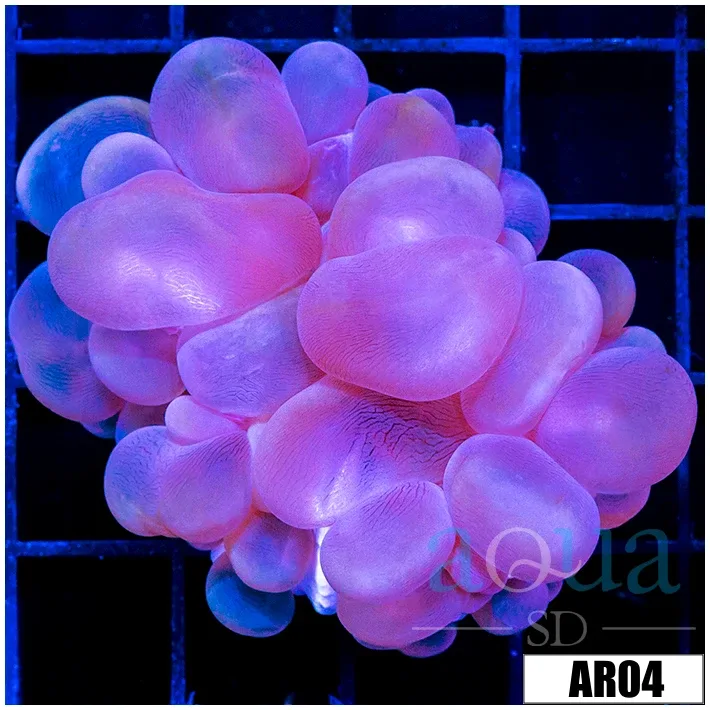
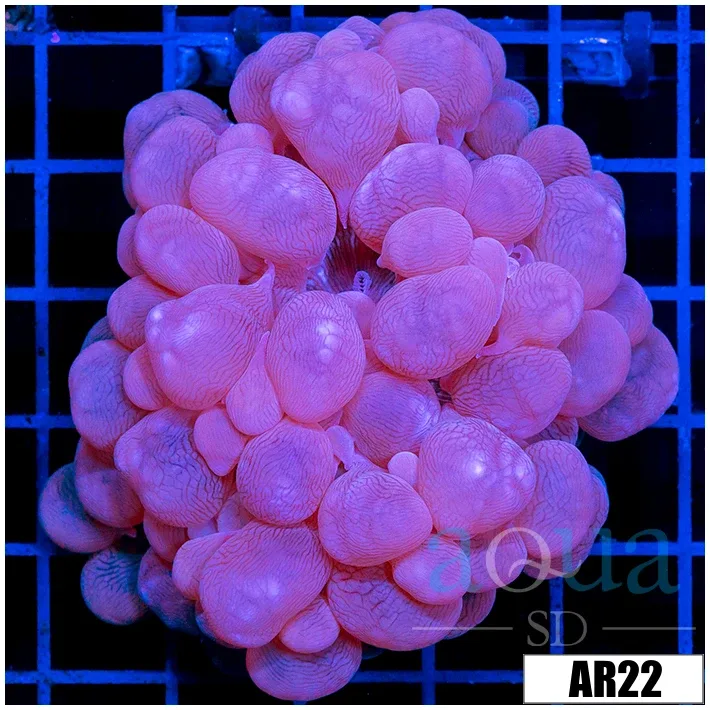
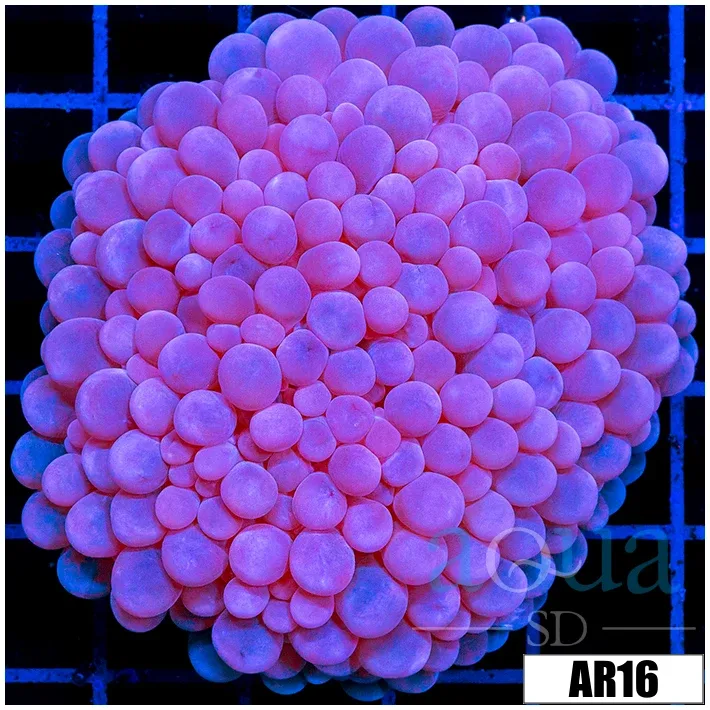
Purple Bubble Coral
Price range: $139.99 through $224.99
Live animal: Overnight delivery, Tuesday–Friday (Saturday $25 extra, arranged by phone or email). Covered by our Live Arrival Guarantee.We ship daily. Prices and availability may change. Images are for illustration only and may vary from the actual product. Stock is subject to change.
- Packed to order with heat or cold packs for the season
- Eating and settled in our systems before it ships
- Questions? Ask a reef keeper
Share
About this coral
About this coral
Purple Bubble Coral is an LPS (large polyp stony) coral offered by this aquarium shop. “Bubble coral” commonly refers to LPS that form swollen, bubble-like polyps, making them a popular centerpiece coral for reef aquariums where observers want visible polyp movement. In practice, it’s used as an ornamental LPS addition to help add texture and a “living sculpture” look, especially in tanks designed for calcium-dependent corals. Because this listing does not provide a verified scientific name, this description gives group-level guidance for LPS bubble-type corals rather than a species-specific care sheet.
Features:
- Large polyp stony coral body provides a bold, bubble-like display typical of LPS.
- LPS are generally suited to stable reef conditions and benefit from consistent water chemistry (calcium/alkalinity support).
- Moderate lighting and gentle, indirect water movement are typically most suitable for LPS polyp expansion.
- Often performs best when placed so it can access sufficient flow without being blasted directly.
- Helpful as a centerpiece or focal coral in an LPS-focused aquascape because it is visually prominent.
- Like many reef corals, it benefits from reef-safe husbandry and good overall tank stability to reduce stress.
Specifications:
- Coral group: LPS (large polyp stony) coral
- Scientific name: UNVERIFIED
- Care guidance level: General LPS coral care (group-level)
- Light: Moderate reef lighting (generally not intense blasting light)
- Water flow: Moderate, indirect/gentle flow; avoid direct strong streams
- Placement: Attach/position in stable aquascape flow zone with room to expand; avoid being stung/overgrown by nearby corals
- Temperature: Typically 72–78°F (22–26°C)
- Salinity: Typically ~1.024–1.026 SG
- pH: Typically ~8.1–8.4
- Alkalinity (dKH): Typically ~3–4 meq/L (about 8–11 dKH)
- Calcium: Typically ~400–450 ppm
- Magnesium: Typically ~1250–1350 ppm
You might also like
-
Live
 LPS Corals
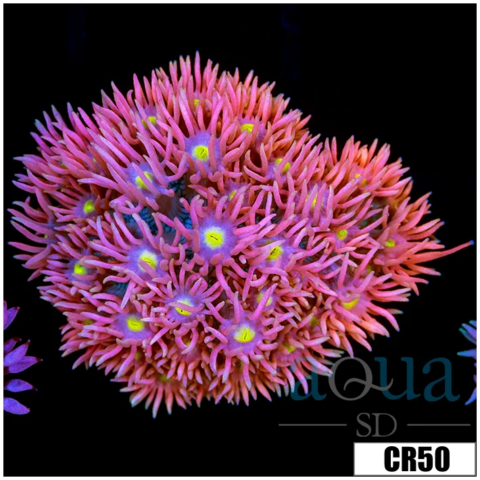
Ultra Barbie Goni
$199.99With code SPOOKY70: $60.00 Add to cart -
Live
 LPS Corals
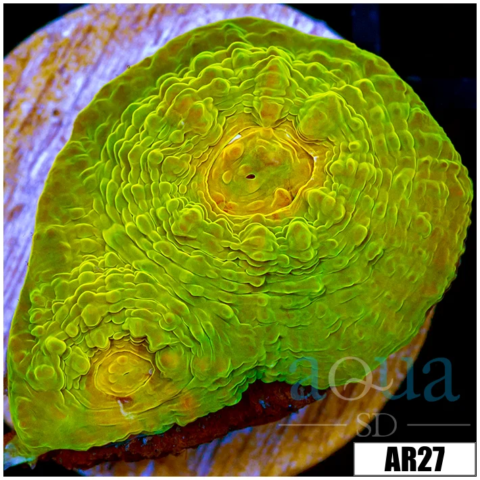
ASD Electric Lime Chalice
Price range: $319.99 through $399.99With code FALL70: $96.00 Choose size This product has multiple variants. The options may be chosen on the product page -
Live
 LPS Corals
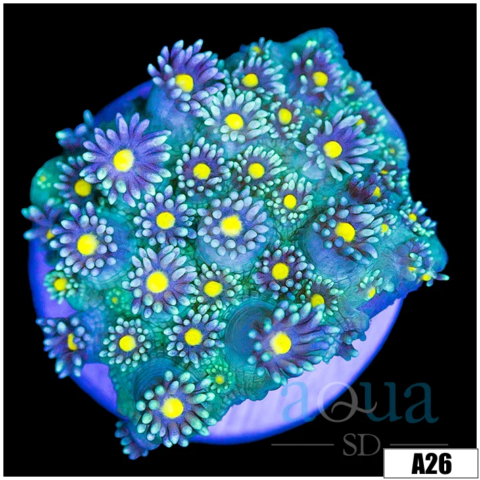
Indo Cultured Lemon Lime Goni
$89.99With code SPOOKY70: $27.00 Add to cart -
Live
 LPS Corals
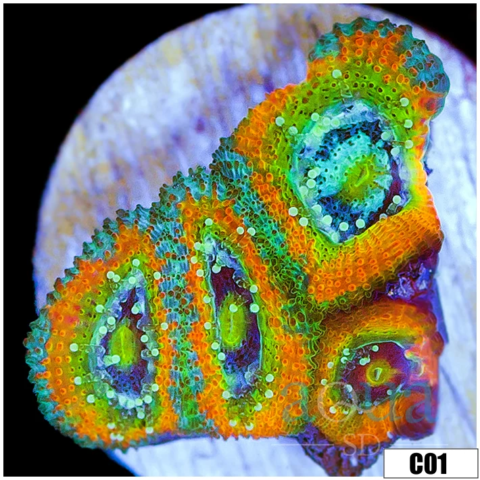
ASD Rainbow Mango Acan Micromussa
Price range: $149.99 through $319.99With code SPOOKY70: $96.00 Choose size This product has multiple variants. The options may be chosen on the product page