

Bicolor Blenny Care: Tank Setup, Feeding and Acclimation
You'll learn how to house, feed and acclimate a Bicolor Blenny so it thrives as a hardy, algae-grazing reef fish.
Fish care · Detailed tutorial · About 10 minutes · Beginner friendly
The key habit: Place your blenny in a well-established tank (at least three or four months old) with visible diatom and film algae, since specimens in sterile new tanks frequently decline.
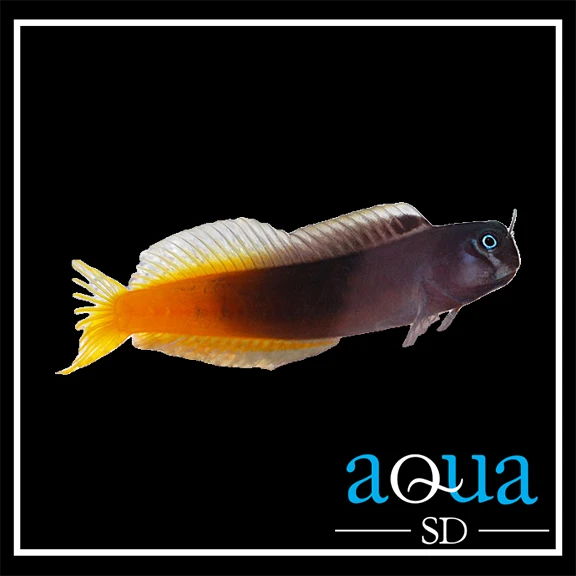
The Bicolor Blenny; Male - Ecsenius bicolor has sold: shop similar Gobies & Blennies →
In this guide
- What the Bicolor Blenny is and where it comes from
- Tank size and setup
- Tank mates and temperament
- Feeding your blenny
- Water parameters
- Acclimation to your tank
- Signs of good health
1. What the Bicolor Blenny Is and Where It Comes From
The Bicolor Blenny, commonly known as the flame tail blenny or bicolor blenny, is a blenny from the Indo-Pacific. This fish features a brown or blue colored front half, fading to yellow-orange beyond the midsection. On the reef, Ecsenius bicolor spends its day rasping marine algae and biofilm from rock surfaces with its comb-like teeth. It is a rock dweller that spends little time in open water, instead hopping between perches and surveying the tank from a favored ledge.
2. Tank Size and Setup
Plan on a minimum of 30 gallons for a single fish, with 55 gallons or more if a pair is the goal. Maturity matters as much as volume here. A system that has been running for at least three or four months with visible diatom and film algae gives this grazer the natural forage it depends on.
The Bicolor Blenny needs a tank with scattered rocks for perching and hiding. Live rock provides the algae-growing surfaces these fish need for grazing, creates hiding spots for security, and offers perching locations where they love to rest. Aim for 1-1.5 pounds of live rock per gallon to create an adequate aquascape with plenty of caves, overhangs, and crevices.
3. Tank Mates and Temperament
Keeping a single Bicolor Blenny per tank is the safest approach given conspecific aggression, though mated pairs can be maintained in larger systems and may spar before spawning. Tangs, butterflyfish, and damselfish make suitable companions. Avoid any predator large enough to view a 4-inch blenny as a meal, including scorpionfish, groupers, lionfish, hogfish, frogfish, parrotfish, and ribbon eels.
Bicolor Blennies are often reef safe but this requires enough food, space and live rock. This species can attack certain corals and clams if it's hungry or feeling cramped. It is important to keep this fish well fed to prevent aggression against tank mates, including corals.
4. Feeding Your Blenny
In the wild, Ecsenius bicolor spends its day rasping marine algae and biofilm from rock surfaces. The diet of the Bicolor Blenny should include vegetable matter, including frozen and dried foods containing marine and blue-green algae. It will also feed on (and help control) algae growing in the aquarium.
Because this fish is known as an algae eater, some hobbyists might think grazing can satisfy all of its nutritional needs. This is only the case in large aquariums with lots of live rock. In most hobbyist aquariums, this species will need added feeding with prepared meaty foods and vegetable matter. Algae, both from live rock grazing and prepared, should form the basis of their diet.
Offer small portions of high-quality algae-based flakes or pellets daily, in addition to the blenny's natural grazing. This supplemental feeding is especially important in tanks under 55 gallons.
5. Water Parameters
Maintain temperature 76–80 °F, pH 7.8–8.4, nitrate 1–20 ppm, phosphate 0.01–0.1 ppm, calcium 380–450 ppm, alkalinity 8–12 dKH, magnesium 1200–1400 ppm, and salinity 1.023–1.026. Keep ammonia and nitrite at zero.
Stable water conditions matter more than exact numbers. Maintain stable water parameters through regular testing and water changes, proper quarantine of new fish before adding them to the display tank, a varied and appropriate diet, and avoiding overstocking.
6. Acclimation to Your Tank
Gather before you start
- Two containers or the original shipping bag
- Clean airline tubing (or a plastic tube about 1/4-inch diameter)
- A knot or adjustable clip for the tubing
- An aquarium net
- A low-light holding area away from the display tank
1. Float the bag Place the sealed shipping bag on the surface of your tank for 15 minutes to allow temperature to match gradually.
2. Open the bag carefully Sit with the bag level to your water surface. Carefully open the bag and prop it upright in a container so it floats.
3. Begin drip acclimation Place tubing in the bag and siphon water from the tank into a second container at a rate of about one drip per second. Alternatively, tie a knot in the tubing to slow the flow.
4. Wait 30 to 45 minutes When the bag is half-full of tank water, discard half the bag's water and continue dripping for another 15 minutes.
5. Net the fish into the tank Use an aquarium net to gently move the blenny into the display tank. Discard the remaining acclimation water—do not pour the bag water directly into your tank.
6. Turn lights to low Keep room lights dim or the tank lights off for the first 24 hours so the blenny can hide and adjust without stress.
It is important to properly acclimate Bicolor Blennies to their new environment before introducing them to the aquarium.
7. Signs of Good Health
A healthy Bicolor Blenny shows steady colors and clear eyes, actively perches and hops around rocks, grazes on algae or eats at feeding time, and maintains a full body shape. A thin or pale fish, loss of appetite, or excessive hiding after the first few days may signal a problem. Ensure adequate algae availability and rockwork complexity addresses their unique needs beyond basic water quality. A blenny that has good food sources and feels secure in its territory will thrive.
What you notice and what to check next
| What you notice | What to check next |
|---|---|
| Fish stays hidden most of the time | Confirm tank is fully established with visible algae; check for aggressive tank mates or insufficient rock structure |
| Pale or faded coloration | Test water parameters; increase feeding with algae-based foods; check for stress from poor tank conditions |
| Skipping meals or visible weight loss | Verify tank is at least 3–4 months established; test ammonia, nitrite, and nitrate; offer more frequent supplemental food |
| Clear eyes and active perching behavior | Fish is adjusting well; continue current feeding and water maintenance routine |
| Torn or frayed fins | Check for fin-nipping tank mates or coral placement too close to sleeping spots; isolate if needed |
| Active grazing during the day | Normal behavior; rock structure and algae are supporting natural foraging |
Your care log
Tank size: ______ gallons Rock type/amount: ______
Placed on: ______ Lighting (hours per day): ______
Water temperature: ______ °F Salinity (SG): ______
pH: ______ Alkalinity: ______ dKH
First feeding: ______ Primary food type: ______
Notes: ______
Sources
Checked October 11, 2026. Reference addresses are plain text.
- Top Shelf Aquatics, "Bicolor Blenny Care Guide", https://topshelfaquatics.com/pages/saltwater-fish/bicolor-blenny
- Liveaquaria.com, "Bicolor Blenny: Saltwater Aquarium Fish", https://www.liveaquaria.com/product/66/?pcatid=66
- Fish Laboratory, "Bicolor Blenny (Ecsenius bicolor): Ultimate Care Guide", https://www.fishlaboratory.com/fish/bicolor-blenny/
- Aquarium Source, "Bicolor Blenny 101: Diet, Diseases, Size, Mates and Tank", https://www.aquariumsource.com/bicolor-blenny/
- Tank Facts, "Bicolor Blenny – Water Parameters and Care", https://www.tankfacts.com/saltwater/fish/bicolor-blenny/
- Aquamarine Power, "Bicolor Blenny Care Guide: Complete Ecsenius Bicolor Overview", https://www.aquamarinepower.com/bicolor-blenny/